Imagine standing on a sun‑kissed balcony, the Mediterranean breeze teasing your hair, and thinking, “I could actually own this spot.”
If you’ve ever wondered how to buy property in Spain, you’re not alone—people from the UK, Germany and the Netherlands are doing it every day.
The good news? It’s not as intimidating as the headlines make it seem. With the right roadmap, the process feels more like a friendly coffee chat than a legal maze.
First, you’ll need to decide where on the Costa del Sol feels like home—maybe Benalmádena’s bustling promenade or the tranquil cliffs of Sotogrande.
Once you have a spot in mind, the next step is to get your finances in order. That means checking the exchange rate, budgeting for taxes, and, if you need it, sorting a mortgage with a Spanish bank.
Don’t forget the NIE—your personal tax identification number. It’s the tiny piece of paperwork that opens the door to everything from opening a bank account to signing a deed.
Now comes the fun part: house hunting. A local agent who knows the market—like Sunny Coast Homes—can filter listings, arrange viewings, and translate any jargon that pops up.
When you find ‘the one,’ you’ll sign a reservation contract and pay a small deposit. This locks the price while you and the seller iron out the final details.
The final paperwork—known as the Escritura—takes place before a notary. After signing, the property officially becomes yours, and you’ll receive the registration in the Land Registry.
And yes, there are taxes to consider: transfer tax, stamp duty, and annual property tax. A good advisor will walk you through each cost so there are no nasty surprises later.
What’s the biggest takeaway? Treat the whole journey as a series of small, manageable steps, and lean on experts who speak your language and understand the local vibe.
Ready to start? Grab a notebook, list your priorities, and let’s turn that sunny balcony daydream into a real address on the Costa del Sol.
Buying a home on the Costa del Sol is simpler than you think: get your NIE, find a trusted agent, secure financing, and sign the Escritura.
Follow these clear steps, lean on local experts, and turn that sunny balcony daydream into a real address confidently today without completely hidden surprises.
Okay, before you start scrolling through endless listings of beachfront apartments, you need a solid number in mind – the amount you can actually afford without losing sleep. I know, budgeting feels boring, but trust me, it’s the safety net that keeps the whole buying adventure from turning into a nightmare.
First, sit down with a notebook or a spreadsheet and list every source of cash you have for the purchase: savings, any proceeds from selling a current home, and the amount you could pull from a Spanish or UK bank. Don’t forget the €3,000‑€6,000 reserve you’ll need for unexpected fees; I’ve seen buyers get caught off‑guard when the notary bill arrives.
Next, break the total into the three big buckets: the purchase price, taxes and fees, and ongoing costs. The purchase price is obvious, but in Spain you also have to budget for Transfer Tax (around 8‑10% of the price in Andalusia), notary fees (roughly 0.5%‑1%), registration fees, and the 1% stamp duty if you buy a new build. Then add the annual costs: community fees, property tax (IBI), and insurance. A quick calculator can help you see the whole picture.
If you need a loan, start comparing Spanish banks, international lenders, and specialist mortgage brokers. The typical loan‑to‑value ratio is 70% for residents and 60% for non‑EU buyers, so you’ll likely need a 30‑40% deposit. For a clear rundown of Spanish mortgage products and how they differ from UK ones, check out Mortgage Mapper’s guide to cross‑border home loans. It walks you through interest rates, currency risk, and the paperwork you’ll face.
While you’re crunching numbers, think about the timing of your visit to Spain. If you plan a scouting trip to Madrid or Malaga, you might need a reliable coach service. I’ve actually used a coach hire that even includes a restroom on board – a lifesaver after a long drive. You can read more about that convenient option in this guide to Madrid coach hire, which also breaks down pricing so you can factor transportation into your budget.
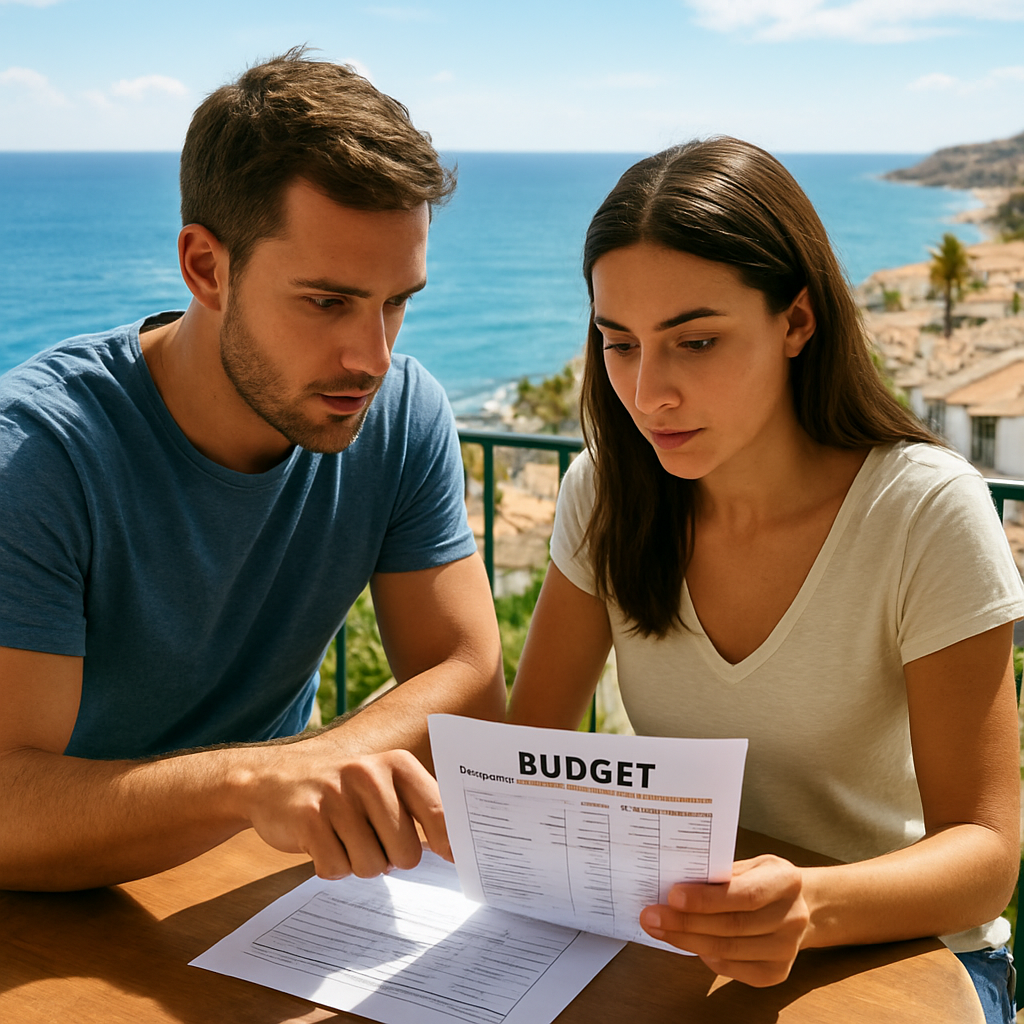
Once you have a ballpark figure, apply for a pre‑approval letter. Spanish banks love to see that you’ve already been vetted – it shows you’re serious and speeds up the reservation contract. Bring your NIE, proof of income, and the last three bank statements. If the bank approves, you’ll know exactly how much you can bid, and sellers will take your offer more seriously.
Don’t forget to factor in the exchange rate if your savings are in pounds or euros. A small swing of 2% can add or shave off several thousand euros from your total cost. Using a currency‑tracker app or speaking with a forex specialist can keep you from unpleasant surprises at closing.
Even with a tight budget, a knowledgeable agent can help you stay within it. Our team at Sunny Coast Homes knows where to find hidden‑gem properties that fit your price range and can negotiate fees on your behalf. We’ll also point out any upcoming community projects that could affect your future expenses.
Finally, think about insurance early. Home insurance is mandatory for mortgage approval, but you might also want life or income protection in case something unexpected happens. A solid policy can keep your family’s finances stable while you enjoy your new Spanish lifestyle. For an in‑depth look at insurance options for homeowners, see Lifecare Benefit Services’ guide on life insurance with chronic illness riders.
Bottom line: nail down a realistic budget, secure financing, and lock in a pre‑approval before you fall in love with a property. When the numbers line up, the rest of the process feels much less like a gamble and more like a well‑planned adventure.
Now that you’ve got a rough budget in front of you, the next big question is where you actually want to plant your feet. The Costa del Sol stretches from the bustling promenade of Marbella to the quieter cliffs of Sotogrande, and each pocket offers a different vibe, price tag, and everyday rhythm.
And here’s the thing: Spain isn’t a one‑size‑fits‑all market. In Andalucía, coastal towns like Malaga and Marbella sit on the higher end, while inland villages such as Ronda or Mijas Costa are kinder to your wallet. Homeownership rates stay high and prices have been steady after the 2008 dip (Spanish market trends).
So, what matters more to you—sun‑soaked nightlife, quiet family‑friendly streets, or easy access to golf?
Think about the daily details: Do you picture yourself strolling to a beachfront café for a morning espresso? If you prefer a slower pace, maybe a town with a traditional market square and green space, look at Nerja or the foothills of the Sierra de las Nieves.
But don’t forget practicalities. Proximity to a Spanish bank, a good doctor, and an English‑speaking community can smooth the transition, especially if you’re planning to retire. A quick Google Maps check of schools and transport links can save you surprises later.
Once the region feels right, the property type is the next puzzle piece. Apartments give lock‑and‑leave convenience; townhouses offer a few floors and a small terrace; villas provide space for a garden, pool, or home office. New builds come with warranties, while resale homes often have character and lower price tags.
Here’s a quick way to decide:
Does a brand‑new development sound tempting? Keep in mind that new‑build projects can require a larger upfront deposit and the final price may shift if the developer adds upgrades.
Grab a notebook and run through this short list:
Answering these questions gives you a clear matrix to compare, say, a two‑bedroom apartment in Marbella versus a three‑bedroom townhouse in Benalmádena. When the numbers line up with your imagined lifestyle, you’ll know you’ve hit the sweet spot.
And remember, you don’t have to go it alone. A local agent who knows each neighbourhood can point out hidden gems you might miss online. Their on‑the‑ground insight often bridges the gap between a good budget and a great home.
Take a moment now, jot down your top three must‑haves for both region and property type, and you’ll be ready to move on to the next step: actually viewing the homes that fit your criteria. Enjoy the excitement of narrowing down your future home.
Okay, you’ve got your budget, you’ve scoped the perfect neighbourhood, and now you’re staring at a stack of paperwork that feels like a foreign language. Trust me, this is the part where a lot of buyers panic – but it doesn’t have to be that way.
First off, you need an NIE (Número de Identificación de Extranjero). It’s the tiny ID number that lets you do anything legal in Spain – from opening a bank account to signing the deed. You can get it at the General Immigration Office, and you’ll need a passport copy plus a brief note on why you need it (think “buying a property”).
So, what’s next after the NIE? You’re looking at three main legal milestones: due‑diligence, the reservation/deposit contract, and finally the public deed (escritura) at the notary. Balcells Group outlines these three steps in detail, and they’re worth keeping in your head as a checklist.
Imagine signing a contract that looks perfect, only to discover later that the seller still owes the community fees or that the property isn’t actually registered in their name. A seasoned property lawyer will sniff out those hidden traps before you hand over any money.
Here’s what a good lawyer will do for you:
And yes, they’ll also help you navigate the tax side – transfer tax (usually 6‑10% in Andalucía), notary fees, and registration costs. Knowing these numbers up front keeps nasty surprises at bay.
1. Get your NIE. Book an appointment, bring your passport, and a short statement of purpose.
2. Hire a bilingual property lawyer. Look for someone who’s dealt with foreign buyers on the Costa del Sol. A quick phone call can reveal whether they’re comfortable with your language and your timeline.
3. Do the due‑diligence. Your lawyer will request a “nota simple” from the Land Registry – a snapshot that shows who owns the property and any charges.
4. Sign the reservation or deposit contract. This usually locks the property for 30‑45 days. Expect to pay 1‑5% as a reservation fee or 10% as a deposit – the latter is more common if a lawyer is involved.
5. Arrange financing (if needed). Even if you’re paying cash, the bank will want to see the legal checks completed before releasing funds.
6. Meet the notary. The notary reads the escritura aloud, both parties sign, and the notary files the deed with the Land Registry. At this point you become the legal owner.
7. Pay taxes and fees. Transfer tax, notary fees, registration fees, and your lawyer’s bill all need to be settled within a few weeks of signing.
Sound overwhelming? That’s why many buyers hand the whole process to a trusted lawyer from the start. It’s an extra cost – roughly 1% of the purchase price – but it’s a tiny fraction compared to the risk of a bad deal.
| Legal Step | Who Handles It | Key Things to Watch |
|---|---|---|
| NIE acquisition | You (with help from your lawyer) | Passport copy, purpose statement, appointment timing |
| Due‑diligence (nota simple) | Lawyer | Clear title, no hidden liens or community debts |
| Escritura signing | Notary (with lawyer present) | Accurate purchase price, correct tax calculations, signature of both parties |
One last tip: ask your lawyer for a “legal budget” before you sign anything. It should list expected fees, tax estimates, and any contingency costs. That way you won’t be caught off guard when the final bill arrives.
Ready to take the next step? Grab a coffee, pull out that NIE paperwork, and start reaching out to a few recommended lawyers in Marbella or Benalmádena. Once you have that legal safety net in place, the rest of the journey – from choosing a paint colour to moving your furniture in – feels a lot more like a vacation than a legal nightmare.
Let’s talk about the part that feels like a treasure hunt – actually hunting down the home you’ll call yours. After you’ve nailed down budget and region, the next move is turning those dream‑list items into real listings you can walk through.
First, pull together a shortlist of reliable Spanish property portals. Idealista, Fotocasa, Habitaclia, Pisos.com and Kyero all host thousands of listings and let you filter by price, size, and even proximity to a beach or golf course. They’re free, multilingual and give you a quick visual feel before you pick up the phone. Go! Go! España’s guide even ranks these sites as the top nine you should browse.
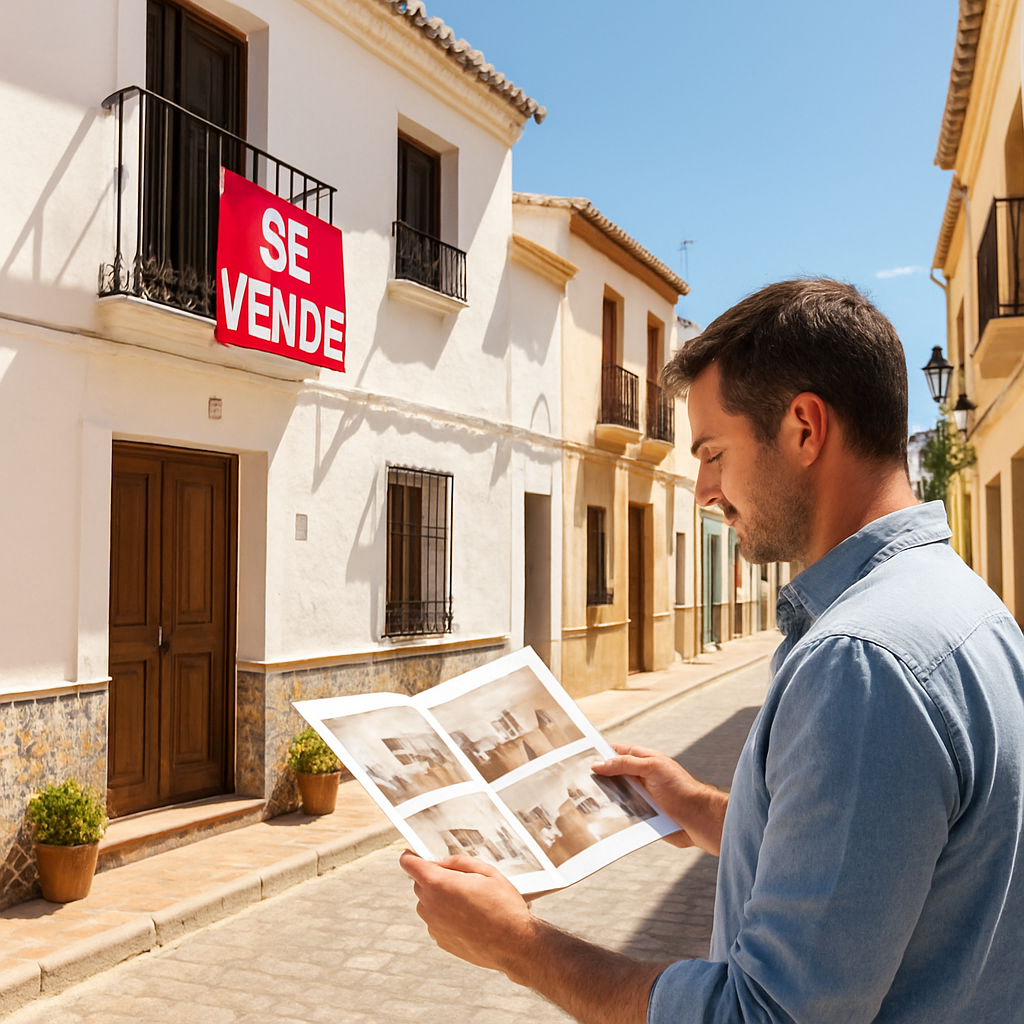
But don’t let the screen do all the heavy lifting. A good agent – like the folks at Sunny Coast Homes – can pull off‑market gems that never appear online. Ask them to send you a “property brief” with photos, floor plans and any red‑flag notes they’ve already spotted. That way you’re not wasting a Saturday driving to a place that’s already been ruled out.
When you get a list, start narrowing with a simple checklist:
Once you have three or four solid candidates, schedule viewings. Here’s a quick three‑step routine that keeps things smooth:
Double‑check the address, ask for the latest “nota simple” and verify the asking price with the agent. If the seller can’t produce this paperwork right away, it’s a sign to proceed with caution.
Even if you’re just looking, have a copy of your NIE and a brief note about your financing plan. It signals you’re serious and often gets the seller to share extra documents like community fee statements on the spot.
It’s easy to forget whether the kitchen had a dishwasher or if the balcony faced the street. Write down the vibe – was the seller friendly, did the building feel well‑maintained, any smells of damp? Those sensory clues matter later when you compare options.
A common mistake is trying to view every listing back‑to‑back. It burns energy and clouds judgment. Instead, cluster viewings by area and give yourself at least an hour between appointments to jot down impressions. That breathing room helps you spot patterns – maybe one complex consistently has noisy elevators, or another always greets you with a tidy lobby.
Real‑world example: Laura and I booked a dozen viewings across three towns. After the first half, we realized most “perfect” homes lacked a functional water source, which was a deal‑breaker for us. By cutting the list early, we saved two weeks of travel and landed a renovated villa within a month. Their practical advice mirrors this exact lesson.
During the visit, ask the agent or owner direct questions. “When was the last roof inspection?” “Are there any pending community debts?” “How many parking spaces are allocated to this unit?” Their answers will either reassure you or raise a red flag you can discuss with your lawyer later.
If you’re not fluent in Spanish, bring a bilingual friend or use a translation app on your phone. Most agents appreciate the effort and will switch to English for the key terms – price, deposit, and timeline. It also reduces the chance of mis‑understanding the square‑meter measurement, which can differ between “m² construidos” and “m² útiles”.
After each viewing, fill out a short rating sheet: 1‑5 for location, condition, price, and overall feeling. At the end of the week, tally the scores; the property with the highest total is usually the one you’ll feel most comfortable moving forward with.
Finally, don’t forget to negotiate before you fall in love. Even if the listing says “firm price,” many sellers are open to a modest reduction if you can show a solid deposit and a clean legal file. Your lawyer can draft a reservation contract that protects that deposit while you finalize the financing.
So, what’s the next move? Grab your shortlist, set up two or three viewings per day in the same neighborhood, and bring a notebook. Within a handful of tours you’ll have a clear picture of what feels right and what feels off. That confidence is the foundation for the next step – signing the reservation and moving toward the escritura.
Okay, you’ve walked through a handful of apartments, taken notes, and have a favorite in mind. Now comes the part that makes your heart race a little faster: turning that “I love it” into a concrete offer.
Before you even say a number, spend a few minutes checking what similar homes in the area have sold for. In Spain, sellers often price a bit higher than the true market value, leaving room for a 5‑10% discount according to recent negotiation data. If you’re in a hot spot like Marbella, the wiggle room may be slimmer, but in quieter towns you can push a bit harder.
Grab a quick spreadsheet, plug in the asking price, the average price per square metre, and note any repair work that’ll cost you later. Those numbers become your bargaining chips.
If you need a mortgage, a pre‑approval letter from a Spanish bank shows the seller you’re serious. It’s a tiny extra step that can tip the scales in your favor, especially when you’re offering a lower price.
Cash buyers can skip this, but still keep proof that the funds are liquid – a bank statement or a transfer confirmation works.
In Spain it’s perfectly normal to begin with a friendly, verbal offer through your agent. You might say, “We really like the flat, and we’re thinking €250,000, which is about 8% below the listing.” This opens the door without locking you into anything yet. The guide explains that a 5‑10% lower start is common, and it gives you room to move.
Remember, keep the tone upbeat – you’re not demanding, you’re proposing a win‑win.
Once the seller seems receptive, your agent will draft a formal written offer (the “oferta de compra”). This document lists your price, any conditions (like a satisfactory legal check), and a deadline for the seller to respond – usually ten days.
If the seller counters, you can meet them halfway or stand firm if your research supports the lower figure.
In competitive markets, a short‑term reservation agreement (“reserva de compra”) can lock the property while you sort out financing. You’ll hand over a modest deposit – often €3,000‑€6,000 – and the seller agrees not to show the place to anyone else for a week or two. It’s a low‑risk way to secure your favourite while you finalize the paperwork.
Just make sure the agreement spells out when the deposit is refundable (usually if the seller backs out) and what happens if you change your mind.
Don’t be afraid to ask for a little extra, like a few months of community fees covered or a hand‑over of appliances. Sellers often have wiggle room on those details.
When the seller signs the offer, you’ll move to the “arras” contract – a pre‑sale agreement that usually requires a 10% deposit. If you pull out after signing, you lose that deposit; if the seller backs out, they typically return double.
At this point, your lawyer will do a final title check, and you’ll schedule the notary for the escritura. That’s the moment the property legally becomes yours.
So, what’s the next move? Take your market research, draft a friendly verbal offer, back it up with a pre‑approval or cash proof, and be ready to seal the deal with a reservation agreement if needed. With a clear plan and a calm, confident tone, you’ll turn that “maybe” into a signed contract and start picturing your new life on the Costa del Sol.
Alright, you’ve signed the reservation agreement, your lawyer has double‑checked the title, and the notary date is on the calendar. Now it’s time to turn that “maybe” into a legal reality.
Before you walk into the notary’s office, make sure you have these items on hand:
Having everything ready means you won’t be sent back for “just one more document,” and the notary can focus on the deed itself.
The moment the notary reads the deed, you’ll need to settle the taxes that depend on whether the property is new or resale. New builds carry up to 10% VAT plus the regional stamp duty (AJD). Resale homes require the Property Transfer Tax (ITP), typically 6‑10% in Andalucía.
Once those amounts are paid, you’ll also cover the notary’s fee and the Land Registry charge. Your lawyer can give you a ballpark figure, but expect the total tax and fee bill to be around 10‑12% of the purchase price.
At the notary’s desk, the public deed is read aloud in Spanish. Your lawyer will sit beside you, translating the key points into English (or your preferred language). You’ll then sign, the notary signs, and the deed becomes an official public record.
It feels a bit ceremonial, but it’s also the point where ownership officially transfers. The notary will file the deed with the Land Registry on your behalf.
Registration is the safety net that protects your investment. After the notary files the deed, the Land Registry office processes it – usually within a few weeks.
When the registration is complete, you’ll receive a certified copy of the “Nota Simple.” That document proves you’re the legal owner and shows any existing charges, like a mortgage. If you bought the home with a loan, the bank will register the mortgage separately.
According to My Lawyer in Spain’s step‑by‑step guide, the whole registration can take from a couple of weeks to two months, depending on the registry’s workload.
Older rural houses or properties that have never been recorded need a “first registration” (inmatriculación). Your lawyer will gather the public deed, your ID, and a declaration that no other charges exist. The registry then creates a new entry for the property.
This extra step adds a few days to the timeline, but it’s worth it – you’ll have a clean, searchable record that future buyers or lenders will trust.
Store the certified copy of the registration, the original Escritura, and your tax receipts in a fire‑proof safe or a secure digital vault. You’ll need them if you ever sell, refinance, or apply for a home‑insurance policy.
Pro tip: ask your lawyer for a “legal budget” up front, so you know exactly how much the taxes, notary, and registration fees will cost. That way there are no surprise invoices after the celebration.
Once the registration is in your name, the keys are truly yours. You can now think about utilities, community fees, and that first coffee on your new balcony.
And remember, the journey didn’t end with the deed – the paperwork you just completed is the foundation for any future renovation permits, rentals, or resale. Treat it like the solid base of a house you’d never want to see crack.
So, what’s the next step? Grab your lawyer’s checklist, confirm the tax amounts, sign the escritura, and watch the Land Registry confirm your ownership. Before you know it, you’ll be unlocking the front door of your Costa del Sol home.
So you’ve walked through budgeting, picked a region, tackled the legal steps, and even signed the escritura. That feeling of holding the keys for the first time? It’s priceless.
Remember the biggest lesson: treat every piece of paperwork like a building block. A clean title, a solid lawyer, and a clear tax estimate keep the whole house from wobbling later.
What should you do right now? Grab your lawyer’s final checklist, double‑check the tax numbers, and file that certified copy of the registration in a safe place. It’s the same habit that protects your investment whether you plan to live there, rent it out, or someday sell.
And don’t forget the little things that make a house feel like home: set up the utilities, meet the neighbors, and enjoy that first coffee on your balcony. Those moments turn a transaction into a lifestyle.
Feeling ready to take the next step? Reach out to Sunny Coast Homes – they’ll walk you through the final touches and make sure your Spanish dream stays smooth and stress‑free.
Finally, keep a digital copy of every document and update your checklist each year – a quick review now can save you headaches when it’s time to refinance or sell.
Start by getting your NIE (foreigner ID number) and a clear picture of your budget, including the 6‑10% you’ll need for taxes, notary fees and registration. Then line up a bilingual lawyer who can run a title check and explain the local process. Having those basics in place lets you search listings with confidence and avoid nasty surprises later.
It’s not mandatory to view homes, but most agents and sellers expect you to have an NIE or at least be in the process of getting one. Having it shows you’re serious, speeds up the reservation contract and lets you open a Spanish bank account for mortgage deposits. If you’re short‑term, a power‑of‑attorney from a trusted local contact can bridge the gap.
Beyond the purchase price, plan on roughly 8‑12% of the price for transfer tax (ITP) or VAT, notary and land‑registry fees, and legal costs. For a €300,000 resale you’d be looking at €24,000‑€36,000 extra. Add a small buffer for community fees or unexpected repairs, and you’ll avoid the “I didn’t see that coming” moment when the bill arrives.
Yes, banks will lend to foreigners, though they often require a larger down‑payment—usually 30‑40% of the price. Shop around for the best rate and ask if the lender can lock the exchange rate while you finalize the deal. A pre‑approval letter not only strengthens your offer but also clarifies exactly how much you can borrow, keeping the negotiation on solid ground.
Pay attention to the building’s overall condition: look for damp spots, check the roof age, and test water pressure. Note the orientation of the balcony—does it catch the morning sun or the afternoon heat? Ask about community debts, parking allocations and any upcoming renovations. Jot down your vibe; the feeling you get in the space often predicts how happy you’ll be later.
The reservation agreement locks the property for a set period, usually 10‑15 days, while you sort out financing. You hand over a small deposit (often €3,000‑€6,000) that the seller holds in escrow. If the seller backs out, you get your money back, sometimes with interest. If you walk away without a valid reason, you risk losing the deposit, so read the cancellation clauses carefully.
Once the public deed is signed, the notary files it with the Land Registry. Within a few weeks you’ll receive a certified “Nota Simple” confirming you’re the legal owner. Keep the original deed, tax receipts and registration copy in a safe place—digital backups are great too. From there you can set up utilities, register for community fees and start planning that first coffee on your new balcony.