Picture this: you’ve just fallen in love with the sun‑kissed coastline, the relaxed cafés of Marbella, and the promise of a new life for your family.
But then the big question pops up – where will the kids go to school? You want an environment that blends academic rigour with an international outlook, and you don’t want to spend weeks hunting down options.
That’s where “international schools Costa del Sol” becomes the phrase you start Googling at midnight, scrolling through glossy brochures while the kids dream of beach volleyball after class.
In our experience, families from the UK, Germany and the Netherlands often look for curricula like the British GCSE/A‑Levels, the German Abitur or the International Baccalaureate, all while enjoying the Mediterranean lifestyle.
What we’ve seen work best is narrowing the search to schools that sit close to the neighbourhoods most expats choose – for example, the hills of Benalmádena, the historic centre of Fuengirola or the upscale districts of Marbella.
Why does proximity matter? A short commute means the kids can bike or walk to school, giving you peace of mind and more time for family evenings on the terrace.
And you’re probably wondering about language support. Most international schools on the Costa del Sol offer robust English programmes, plus Spanish immersion classes, so your children can become truly bilingual without feeling lost.
Another common worry is tuition fees. While prices vary, many schools provide flexible payment plans that align with the way you manage a property purchase here.
Imagine the relief of signing a lease on a lovely villa, knowing the school is just a ten‑minute drive away, and that the staff speak your language and understand your home‑buying timeline.
That’s the kind of seamless transition we aim to facilitate at Sunny Coast Homes Realty S.L – we help you find not just a house, but a community where education, lifestyle and peace of mind fit together.
So, if you’re ready to explore the best international schools Costa del Sol has to offer and see how they mesh with your property plans, keep reading. We’ll walk you through the top options, what to expect in terms of curriculum and costs, and how to make the right choice for your family’s future.
Choosing the right international schools costa del sol means finding a bilingual, well‑located campus that fits your family’s lifestyle and budget. We’ll break down curricula, commute times, fees and enrollment tips so you can move forward confidently and enjoy your new Mediterranean home, ensuring smooth transition for your family today.
When you first land in the Costa del Sol, the biggest mental checklist item is often: “Where will the kids go to school?” It’s a mix of excitement and anxiety – you picture sunny mornings, but you also wonder if the curriculum will match the expectations back home.
Most expat families here gravitate toward schools that blend a solid academic framework with a bilingual environment. The British GCSE/A‑Levels, the German Abitur and the International Baccalaureate are the three heavy‑hitters you’ll see popping up in Marbella, Benalmádena and Estepona. Each offers a pathway that can smooth the transition back to a European university system, or even the US if you later decide to cross the Atlantic.
Picture this: you’ve just signed the lease on a villa in the hills of Benalmádena. The nearest international school sits a 20‑minute drive away, winding through narrow streets. A long commute can eat into family time, especially when you factor in after‑school sports or weekend trips.
What we’ve seen work best is matching the school’s catch‑area to your chosen neighbourhood. In Fuengirola, for example, the International School of Marbella has a satellite campus just a stone’s throw from the beachfront promenade. In Marbella’s Golden Mile, the British School of Marbella is practically on your doorstep if you pick a property near Avenida del Mar.
The IB program is praised for its holistic approach – it weaves creativity, critical thinking and community service into a two‑year diploma. But it can feel intense for younger learners, so many families opt for a hybrid: primary years in a British‑style school, then switch to IB for the final two years.
German families often lean toward the German School of Malaga, which follows the state curriculum and offers a seamless Abitur. The key is checking whether the school provides English support for non‑German speakers – most do, but the intensity varies.
Spanish immersion is a huge plus. Schools typically run English lessons in the morning and Spanish in the afternoon, letting kids become truly bilingual by the time they finish primary school. It’s not just about language; it’s cultural integration. A child who can order tapas in Spanish feels more at home in the local community.
And here’s a tip many overlook: extracurricular clubs are where language sticks. Whether it’s a football team, a robotics club or a weekend scuba class, the informal setting reinforces vocab and confidence.
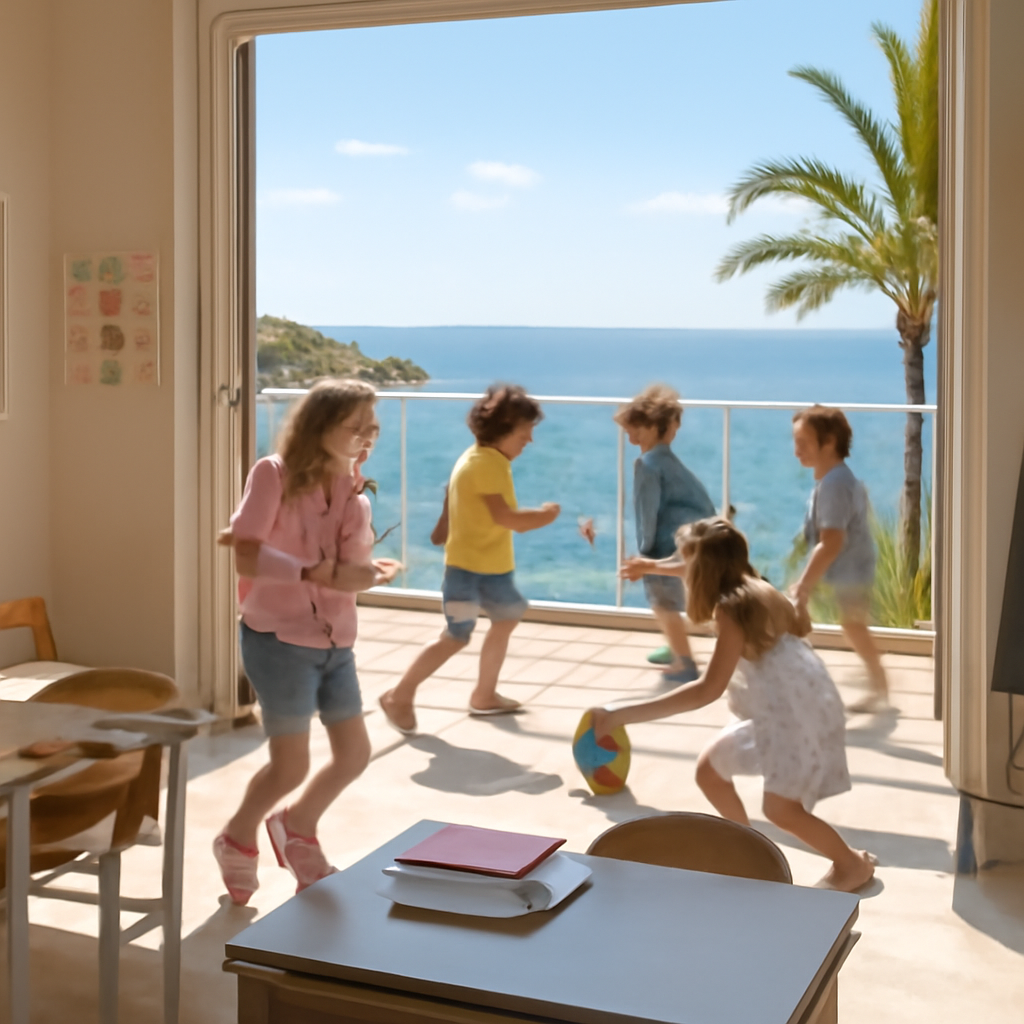
Living on the Costa del Sol isn’t just about school bells; it’s about a balanced lifestyle. Families love the weekend habit of heading to the sea for a splash. That’s why we like to point newcomers toward family‑friendly scuba adventures with Uncle Kimo’s Scuba. A half‑day dive after a week of exams gives kids a chance to bond over marine life and burn off extra energy.
Choosing a school that coordinates with local activity providers can make the transition feel seamless. Some campuses even organise field trips to the nearby marine reserve, turning the classroom into an outdoor lab.
1. Map your preferred residential area and draw a 15‑minute radius. Any school outside that circle will likely add stress.
2. List the curricula you need – British, German, IB – and rank schools based on how closely they match.
3. Visit at least two schools in person. Pay attention to class size, teacher language proficiency and the vibe of the playground.
4. Ask about transport options. Some schools run dedicated buses from key expat zones, which can be a lifesaver.
5. Finally, read our Houses for Sale Costa del Sol: A Practical Guide to Finding Your Dream Home for neighbourhood insights that align school choices with property decisions.
By weaving together curriculum, commute, language immersion and a sprinkle of weekend adventure, you’ll feel confident that the education landscape here can support both academic goals and the relaxed Mediterranean lifestyle you’re after.
So, you’ve scoped out the neighbourhoods and you’re picturing your kids running to class under a palm‑tree canopy. The next step? Picking a school that feels like the right fit for your family’s rhythm. Below is a quick‑hit list of the most talked‑about international schools on the Costa del Sol, with the kind of details that matter on a sunny morning when you’re juggling property viewings and school brochures.
British‑IB hybrid, ages 3‑18, with a campus that feels more like a resort than a traditional school. The IB Diploma is strong, and the sports hall and performing‑arts centre keep the kids buzzing after lessons. Tuition runs roughly €7,000‑€17,000 a year, depending on the stage.
Full IB (PYP, MYP, DP) and a dedicated golf‑and‑tennis academy. If your family loves the marina vibe of Sotogrande, this school’s beachfront location is a bonus. Fees can reach €26,000 for the Diploma years, so it’s best suited for families planning a longer stay.
Brit‑style curriculum with IGCSEs and A‑Levels, approved by the NABSS. Small class sizes (average 15) give a tight‑knit community feel. Tuition sits between €6,200‑€11,500, making it one of the more affordable British options on the coast.
Classic UK curriculum from Reception to Sixth Form, plus a robust Spanish immersion programme. The school prides itself on a strong pastoral system – something many expat families rave about. Fees are in the €8,000‑€14,000 range.
Offers both the British pathway and the International Baccalaureate, with a bilingual emphasis. The campus includes a marine‑science lab that ties into local coastal ecology projects – perfect for kids who love the sea. Tuition averages €9,500‑€15,000.
European‑focused curriculum with French, German and Spanish streams. The school’s “language immersion week” lets students live‑in a different language for a full week, which speeds up bilingual fluency. Fees hover around €10,000‑€13,000.
British‑style education with a strong extra‑curricular portfolio – think sailing, horse riding and robotics. The campus is a short drive from the golf resorts of Mijas, making after‑school rides easy. Tuition roughly €9,000‑€12,000.
Located in the heart of Málaga city, this school blends a UK curriculum with a vibrant arts programme. The on‑site cafeteria serves a mix of British and Mediterranean dishes, which families appreciate during lunch breaks. Fees are €8,500‑€13,500.
German curriculum (Grundschule to Gymnasium) with English as a second language. Ideal for German‑speaking families or those who value a strong STEM focus. Tuition is €9,000‑€14,000, and the school often partners with local tech firms for after‑school coding clubs.
French national curriculum, with English support and a bilingual Spanish option. The school’s cultural festivals bring a slice of France to the Costa, which is a hit with families who love a multicultural calendar. Fees sit between €8,000‑€13,000.
Wondering how these schools stack up against each other? The table below pulls together the most useful bits – curriculum, tuition range and a standout feature – so you can compare at a glance.
| School | Curriculum | Approx. Tuition (€) | Notable Feature |
|---|---|---|---|
| Aloha College Marbella | British + IB | 7,000‑17,000 | Resort‑style campus with strong arts programme |
| Sotogrande International School | Full IB | up to 26,000 | Golf & tennis academy on site |
| Sunny View School | British (IGCSE/A‑Levels) | 6,200‑11,500 | Small classes, NABSS‑approved |
| Swans International School | European (multi‑language) | 10,000‑13,000 | Weekly language immersion |
Quick tip: the average class size across Costa del Sol international schools is about 16 pupils, and the average annual fee hovers around €10,600 – a figure that’s lower than many other Western European hubs. That data comes from the International Schools Database, which tracks tuition, enrolment numbers and student‑to‑teacher ratios for the region.International Schools Database
When you’re juggling a property search, a school shortlist, and the inevitable paperwork, the best approach is to narrow it down to three schools that match your curriculum preference and commute distance. Then, schedule a short visit – many schools welcome a quick “coffee‑and‑tour” after an open day. You’ll get a feel for the campus vibe, meet a few teachers and see how the kids interact. That gut feeling often tells you more than any brochure.
Finally, remember that the right school can also boost your property value. A home just a ten‑minute walk from a top‑rated international school is a hot commodity among expat families. If you need help mapping those school zones to available villas, our team at Sunny Coast Homes Realty S.L can pull together a custom neighbourhood report – no pressure, just useful info.
When you first land on the Costa del Sol and start scanning the school list, the biggest question is usually “which curriculum fits our family?” You’re not just choosing subjects – you’re picking a pathway that will shape university applications, language development and even the daily rhythm of school life.
Let’s walk through the four most common tracks you’ll encounter among international schools costa del Sol, and sprinkle in a few practical tips that families from the UK, Germany, the Netherlands and Scandinavia have found useful.
The British system is probably the most familiar for expats from the United Kingdom, Ireland and many Commonwealth countries. Schools like Sunny View School and the British School of Marbella deliver the GCSE (or IGCSE) stage at 14‑16 and then the A‑Level route for 16‑18.
What you get is a clear two‑year specialization: students pick three or four subjects they’ll study in depth, which lines up nicely with UK university entry requirements. The downside? It can feel a bit rigid if your child wants a broader, interdisciplinary experience.
Tip: ask the school how they handle “non‑exam” subjects such as art, music or coding. Many British‑style schools now embed these into the timetable as enrichment rather than optional extras.
The American curriculum is popular with families from the United States, Canada and a growing number of European households who appreciate its flexibility. It runs from kindergarten through to Grade 12, culminating in a high‑school diploma. Some schools also offer AP courses – college‑level classes that can earn credit in US universities.
Because the system is credit‑based, students can mix subjects more freely, which suits kids who love to dabble in both sciences and humanities. However, you’ll need to keep an eye on the “SAT/ACT” preparation if you plan to apply to US colleges – not every school provides dedicated test prep.
Practical note: many American schools on the Costa del Sol partner with local language centres for Spanish immersion, so your child can graduate bilingual without sacrificing the US curriculum.
The IB is the true global passport. It’s split into the Primary Years Programme (PYP), Middle Years Programme (MYP) and the Diploma Programme (DP) for the final two years. Schools like Aloha College Marbella and Sotogrande International School run the full continuum.
What makes the DP stand out is the “six subject groups plus Theory of Knowledge, Extended Essay and CAS (Creativity, Activity, Service).” It forces students to think across disciplines, which many universities love. The workload is hefty, though, so families with younger children often start with the PYP/MYP to gauge how they cope.
One thing families from the Netherlands and Scandinavia often ask: “Can we switch to a national curriculum later?” The IB is designed to be compatible with most systems, but you’ll still need to check university entry requirements in your home country.
Finally, a growing number of schools offer a bilingual track that blends either the British or IB curriculum with intensive Spanish language lessons. Think of it as getting two diplomas for the price of one.
These programmes usually allocate 30‑40 % of the timetable to Spanish, using immersion techniques rather than just textbook learning. The result? Kids can order tapas in Spanish by the end of Year 1 and feel confident in both academic and everyday settings.
Quick tip: visit a bilingual class and ask how they assess language progress. Some schools use the “DELE” exam framework, which gives you an official benchmark you can show to future schools or employers.
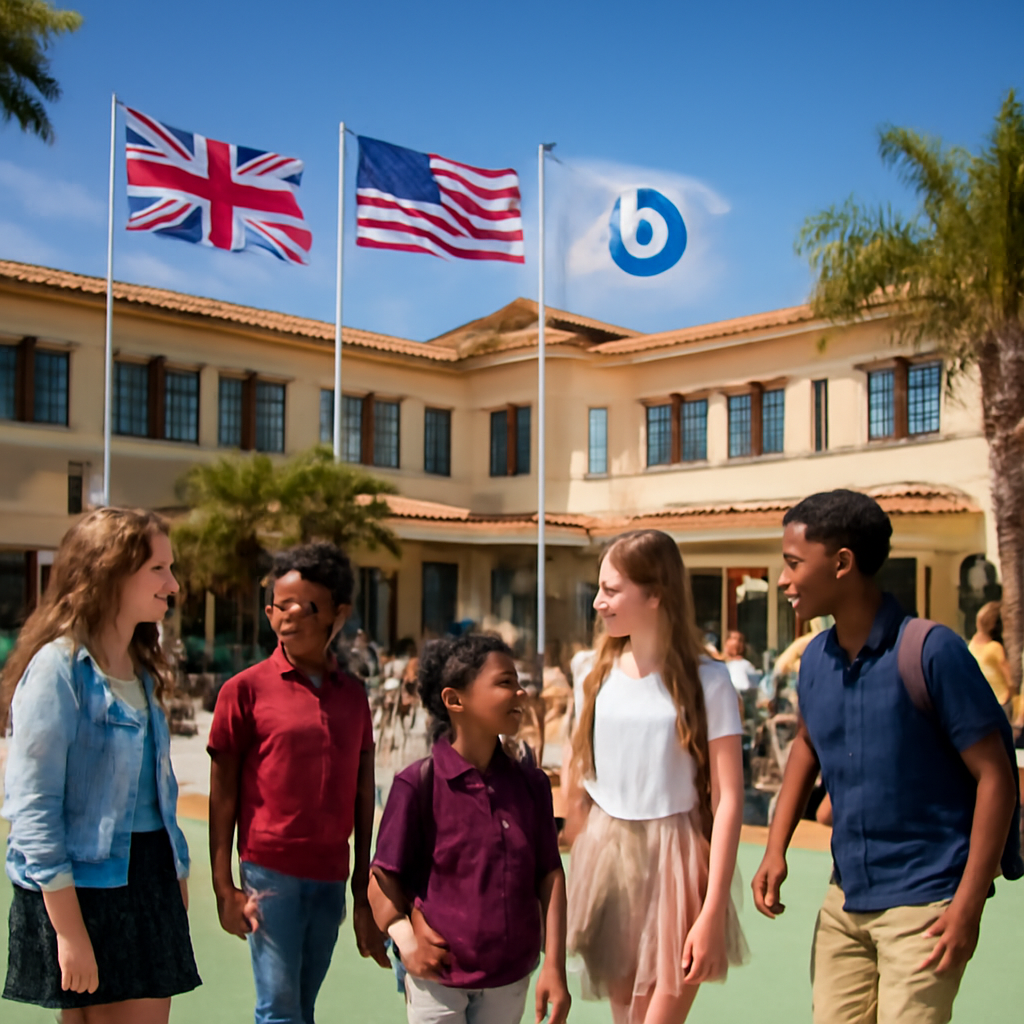
Choosing the right curriculum is less about which system is “best” and more about matching your child’s learning style, your long‑term plans and the daily logistics of getting to school. In our experience, families who map the curriculum to their property search – for example, a British‑track school near a family‑friendly villa in Benahavís – end up feeling more settled from day one.
The New Golden Mile, a 20‑km stretch from San Pedro de Alcántara to Estepona, hosts several of the campuses we’ve mentioned. New Golden Mile
So, what’s your next move? Make a shortlist of the three curricula that feel right, then schedule a coffee‑and‑tour at a school that offers each. Feel the vibe, ask about language support, and picture your child walking home from class to the terrace where you’re waiting with a glass of sangria.
Picture this: you’ve just found the perfect villa with a sea view, but the question that keeps nudging you is – will the school next door match your child’s vibe? That moment of doubt is normal, and it’s exactly why we break down the decision into bite‑size factors you can actually check off.
If you’re from the UK, Germany or the Netherlands, you probably already have a destination in mind – British GCSE/A‑Levels, German Abitur or the IB. The key is to match the curriculum to your long‑term plan. Does your family intend to head back to a home university? Or are you planning to stay on the Costa del Sol for a decade? A curriculum that lines up with university entry requirements saves you a lot of paperwork later.
Ask the school: “Which exam boards do you sit for?” and “How many students successfully transition to universities in my home country?” That simple conversation tells you whether the school is a stepping stone or a detour.
Even if English is the classroom language, you’ll want solid Spanish immersion – it’s the difference between ordering tapas confidently and feeling lost on a grocery run. Look for schools that offer structured Spanish classes, DELE preparation, or a bilingual track where subjects are split 60/40 between English and Spanish.
Imagine your child coming home from class and chatting with neighbours in Spanish while you sip sangria on the terrace. That everyday bilingual boost is priceless.
Short commutes equal happier kids and less morning chaos. Grab Google Maps, plug in your favourite neighbourhood – perhaps Benahavís or the New Golden Mile – and test rush‑hour routes to the campuses you’re eyeing. A 10‑minute drive in summer can stretch to 25 minutes in peak traffic; knowing that ahead of time saves you endless frustration.
Pro tip: pick a school within a 5‑km radius of your future home. That buffer also protects property value; homes near reputable international schools tend to appreciate faster.
Tuition ranges widely – from €6,000 for a modest British school to €26,000 for an elite IB campus. Beyond the headline fee, ask about registration, transport, extracurriculars and material costs. Some schools offer staggered payment plans that line up with mortgage schedules, which can be a lifesaver if you’re buying a villa.
Write down the total annual cost, then compare it with your budgeting spreadsheet. If the numbers feel tight, consider a bilingual public “concertado” option – you get strong language support with a fraction of the price.
Kids need more than textbooks. Does the school have sailing, surf, or a Duke of Edinburgh programme? Do they host cultural festivals that let families mingle? A quick visit – coffee‑and‑tour style – will show you whether the staff greet you by name and whether students look genuinely excited during break.
And here’s a little insider: families who choose schools with strong sports or arts programmes often find their children integrate faster because they share common interests outside the classroom.
Check for accreditation: British Schools Overseas, IB World School status, or DELE exam centre. Those badges signal quality assurance. Also, scan online reviews for safety records – especially for younger years where campus security matters.
According to The Agency Marbella, the Costa del Sol’s Mediterranean climate provides over 300 sunny days a year, which schools often leverage for outdoor projects and sports, adding a natural boost to student wellbeing.
Grab a spreadsheet and list each school you’re considering. Create columns for curriculum, language support, commute time, fees, extracurriculars and accreditation. Score each factor from 1 to 5 based on your family’s priorities. Add up the totals – the highest‑scoring school is likely your best match.
Finally, schedule a second visit with your shortlist. Bring a notebook, ask the same three questions at each campus, and picture your child walking home to your terrace. That gut feeling, combined with the data you gathered, will guide you to the right choice.
So you’ve narrowed down a handful of international schools costa del sol that feel right – now the real work begins. The enrollment process can feel like a maze, but breaking it down into bite‑size steps makes it manageable and even a little fun.
Most schools open their admissions window 12‑18 months before the new school year. Grab a simple spreadsheet the night you finish your property search and create columns for application deadline, required documents, fees, and follow‑up dates. Treat it like a home‑buying checklist; you wouldn’t forget a mortgage document, so don’t forget a birth certificate.
Typical docs include passports, residence registration (empadronamiento), recent school reports, and a short personal statement from the child. If you’re moving from the UK, Germany or the Netherlands, add a translated copy of the latest report – a quick Google Translate + professional proofread does the trick.
Ask each school how they handle non‑native speakers. Some offer a “transition class” that runs twice a week, while others have a dedicated language tutor. Schedule a short call with the language coordinator – a 15‑minute chat can reveal whether they use DELE‑aligned assessments or a more informal immersion approach.
Tip: If your child is still learning English, look for schools that provide “English as an Additional Language” (EAL) support. A quick email asking for the EAL teacher’s name and class size can save you weeks of uncertainty later.
Open days are great, but a second, “coffee‑and‑tour” visit is where the magic happens. Bring a notebook, and ask the same three questions at every campus: How does the school track language progress? What’s the typical class size for my child’s age? How does the school handle emergencies or transport? Write down the answers side by side – patterns emerge fast.
While you’re there, picture the daily routine: the walk from the front door, the bus stop, the cafeteria vibe. Does the school’s atmosphere feel like a place your child would actually want to be? Trust your gut – it’s often more accurate than any brochure.
Grab Google Maps, plug in the address of your future home and the school you’re eye‑testing. Run the route at 8 am on a weekday and again at 5 pm on a Friday. Note the travel time, traffic hotspots, and any toll roads. If the commute spikes beyond 30 minutes during rush hour, ask the school if they offer a shuttle service or flexible start times.
Even better: do a quick drive‑through on a Saturday morning. Seeing the actual streets, parking situation, and surrounding neighbourhood helps you gauge safety and convenience for after‑school activities.
Tuition is just the headline. Ask for a detailed breakdown that includes registration, material fees, extracurriculars, and any annual hikes. Some schools bundle transport and meals; others charge them separately. Write the total annual cost in your budget spreadsheet and compare it with your mortgage payment schedule.
If the numbers feel tight, explore payment plans that align with your property purchase timeline. Many schools will split fees into quarterly installments, which can sync nicely with mortgage payments.
Once you’ve chosen the top school, you’ll usually need to pay a reservation deposit – often €200‑€500. Ask for the deposit’s refund terms in writing. Some schools refund it if you withdraw before the term starts; others keep it as a fee.
Make sure the deposit receipt includes the exact enrollment deadline. Mark that date on your calendar alongside your property closing date – you don’t want to miss the slot because you’re busy signing papers for your new villa.
Even the best‑planned enrollment can hit a snag – a suddenly full class or a changed visa timeline. Identify a second‑choice school early and repeat the same steps (paperwork, visit, commute test). Having a fallback means you won’t scramble last minute, and it gives you negotiating power with your first choice.
Remember, the goal isn’t just to get a seat; it’s to find a school that fits your family’s rhythm, supports your child’s language journey, and sits comfortably within your new life on the Costa del Sol.
When you line up the school with your property search, you’ll notice the whole transition feels less like a leap and more like a natural next step. Happy hunting, and welcome to the community!
Imagine the school bell rings, the kids rush out, and you’re left wondering how to keep their energy channelled into something useful while you finish that property paperwork. That’s the sweet spot after‑school programs fill – they’re the bridge between classroom learning and the relaxed rhythm of life on the Costa del Sol.
Most international schools here treat extracurriculars like a second curriculum. Whether it’s sailing in Marbella, robotics in Benalmádena, or a bilingual drama club in Mijas, you’ll find a menu that matches almost any family’s interests. And the best part? Many of these activities are scheduled right after school, so you don’t need to juggle a separate babysitting roster.
First, it smooths the language transition. Kids who spend a few hours a week playing soccer with Spanish‑speaking peers pick up idioms faster than they would in a formal class. Second, it builds a sense of community. When your child bonds over a shared hobby, they’re more likely to feel at home in a new country.
For families coming from the UK, Germany or the Netherlands, that social anchor can be the difference between a stressful first year and a thriving experience. In our experience, parents who enrol their children in a regular after‑school club report higher satisfaction with the overall school choice.
Sports & outdoor adventures – Think paddle‑boarding, beach volleyball, or the golf academy at Sotogrande International School. The climate lets schools run year‑round, so you’ll rarely hit a rainy‑day cancelation.
Arts & performance – Many campuses have state‑of‑the‑art theatres and music studios. A weekly choir or theatre workshop can be a great outlet for kids who miss their home‑country choirs.
STEM clubs – Robotics, coding, and marine‑science labs are booming, especially at schools like International College Spain where the ocean becomes a living laboratory.
Language immersion – Some schools run a “Spanish‑Only Friday” or a bilingual cooking class. It’s low‑pressure, high‑fun, and you’ll hear your child ordering paella in flawless Spanish before you know it.
Beyond clubs, many schools offer counselling, homework clubs, and even transport shuttles. A dedicated counselling office can help your child navigate the emotional ups and downs of moving abroad – something especially valuable for teenagers adjusting to a new education system.
Homework clubs are usually supervised by teachers or senior students, so your child gets extra help without you needing to become a night‑time tutor. And if you’re buying a villa a few kilometres away, the school‑run shuttle can turn a potentially long commute into a pleasant ride with a few other kids.
Start with your child’s passions. Does he love the sea? Look for sailing or surf programmes. Is she a budding artist? Check if the school has an art studio or partnership with a local gallery.
Next, map the schedule against your own routine. A 5 pm pick‑up might clash with a mortgage‑closing appointment, but a 4 pm club that ends in the school’s own cafeteria can free you up to finish paperwork while the kids snack.
Finally, ask about fees. Some schools bundle activities into the tuition, while others charge per‑activity. Get a clear breakdown so you can align it with your property budget – remember, a modest after‑school fee can still feel affordable when you compare it to the overall cost of living on the Costa.
Doing this homework now saves you weeks of guessing later, and it turns the after‑school window into a real advantage rather than a logistical headache.
So, when you’re finalising that beachfront villa, remember the after‑school programme is part of the package. It’s not just an extra; it’s a support system that helps your child settle, learn, and enjoy the Mediterranean lifestyle from day one.
After sifting through curricula, commute times, fees and after‑school clubs, the picture becomes clear: the right international schools costa del sol can turn a new villa from a house into a home.
Think about the morning you drop your child off at a school that feels like a second living room, then walk back to your terrace to enjoy a coffee while the sun hits the sea. That ease isn’t accidental – it’s the result of matching the school’s rhythm with your property timeline and family goals.
So, what’s the next step? Grab that shortlist you built earlier, map each campus to the neighbourhood you love, and schedule a “coffee‑and‑tour” before you sign any purchase agreement. A quick test‑run of the commute (even on a Saturday) will reveal hidden bottlenecks you might otherwise miss.
In our experience, families who treat the school search with the same diligence as the property hunt end up feeling settled from day one. If you’d like a customised report that lines up top international schools costa del sol with available villas, just drop us a line – we’ll pull the data together, no pressure.
Remember, the right school choice protects your investment and gives your children a bright future on the Costa.
Most campuses blend the British GCSE/A‑Levels, the full International Baccalaureate (PYP, MYP, DP), an American diploma with AP options, and a growing number of bilingual tracks that fuse English‑based programmes with intensive Spanish lessons. A few schools even run German or French national curricula for families coming from those countries. Knowing which framework lines up with your university plans makes the whole search feel less like a gamble.
Start by mapping your future home address on Google Maps, then plot the school’s address and run a rush‑hour test at 8 am and 5 pm. Note any toll roads or narrow village lanes that could add minutes. If the drive regularly exceeds 30 minutes, ask the school about a shuttle service or flexible start times. A short commute means fewer morning meltdowns and more time for a coffee on the terrace.
Base tuition ranges from €6 000 for a modest British school to €26 000 for a premium IB campus. Beyond that, budget for registration fees (≈€200‑€500), material or lab costs (€100‑€300 per year), transport fees if you need a school‑run shuttle, and extracurricular clubs that may be billed separately. Some campuses bundle meals and activities into the tuition, so ask for a detailed breakdown before you sign.
Absolutely. Many schools allocate 30‑40 % of the timetable to Spanish immersion, using games, cooking classes, and even “Spanish‑Only Friday” to make learning feel natural. Look for schools that assess progress with DELE‑aligned tests or an internal language portfolio. Parents often notice their children ordering tapas or chatting with neighbours after just a few weeks, which speeds up the overall adjustment.
Seek the IB World School seal if you’re after the diploma, British Schools Overseas (BSO) status for UK‑style curricula, and any national approvals such as the German “Schulamt” or French “AEFE” recognitions. These badges guarantee that the curriculum meets international quality standards and that exam boards will accept the results for university entry back home. A quick glance at the school’s accreditation page can save you a lot of paperwork later.
Most campuses run sports (sailing, tennis, football), arts (choir, theatre, visual arts), and STEM clubs (robotics, coding, marine science). They’re not just fun—they provide a low‑pressure environment for language practice and social bonding. When your child joins a sailing club, for example, they’ll pick up nautical Spanish terms while making friends, which translates into a smoother overall school experience.
First, shortlist three schools that tick your curriculum, commute, and budget boxes. Second, gather each school’s application deadline and required docs (passport, empadronamiento, latest report). Third, submit the application and pay the reservation deposit (usually €200‑€500) while you negotiate the villa’s closing date. Finally, confirm the deposit’s refund policy and keep a copy of the receipt alongside your property paperwork. This parallel tracking prevents any nasty surprises.