Picture a gated enclave with sweeping sea views, world‑class golf courses, and a marina that feels like a private club. That’s Sotogrande, a name that rolls off the lips of retirees and young families alike.
Ever wonder if it’s really a good place to live, or just another postcard backdrop?
We’ll take a quick tour of what life looks like under those white‑washed roofs, look at the numbers that matter, and give you a play‑book for deciding if the Costa del Sol’s hidden gem deserves a spot on your shortlist.
The first thing that draws people in is the lifestyle. In Sotogrande you can walk to a beach club in minutes, then head to the Ritz‑Carlton golf course for an afternoon swing. Restaurants serve fresh seafood straight from the Mediterranean, and the community hosts regular art and music festivals that feel less like events and more like neighborhood gatherings.
Safety is another big win. The town’s private security teams patrol the streets and the marina, and local police respond faster than most larger cities. Crime rates are among the lowest on the Costa del Sol, giving families peace of mind when kids play on the beach.
Cost of living is often a concern for expats. Property prices hover around €6,000–€7,500 per square metre for a two‑bedroom villa, which is competitive when you compare it to London or Copenhagen. Taxes are relatively straightforward – a 2% property registration fee and a 1% annual tax on the property’s value. Utilities are modest; you’ll pay about €200 a month for electricity, water and internet if you’re in a typical home.
Climate-wise, Sotogrande enjoys mild winters and warm summers, with an average annual temperature of 18°C. The sea breeze keeps temperatures comfortable, and there’s plenty of sunshine year‑round – perfect for gardening or late‑afternoon walks.
If you’re serious about buying, start with a visit. Spend a weekend exploring the village, chat with locals, and test out the cafés. Check the local school ratings if you have kids, and review the property’s energy efficiency certificates. Once you’re convinced, a local agency can help you navigate the paperwork, from the NIE number to the final deed.
Want a deeper dive into how to buy in Spain? Our step‑by‑step guide covers budgeting, legal steps, and closing the deal.
And if you’re thinking about how to make a new home feel truly yours, consider professional outdoor lighting – it’s a small touch that can elevate curb appeal and safety. Led‑Artistry offers high‑end solutions that complement Sotogrande’s elegant aesthetic.
If you’re wondering whether Sotogrande is a good place to live, imagine a Mediterranean escape with taxes, locals, and a pace blending comfort and leisure. You’ll find that everyday life here feels accessible, with affordable utilities, sunny weather, and a community that offers plenty of dining, golfing, and networking events.
Picture walking down a cobblestone lane that opens onto the sparkling Mediterranean, and the only sound you hear is the gentle splash of waves and a few distant gulls. That’s the everyday soundtrack in Sotogrande – a rhythm that feels both relaxed and purposeful.
Safety is a big win here. Gated access, 24‑hour patrols, and a local police force that responds faster than most big cities mean kids can play on the beach while you sip a coffee in a quiet café. It’s the kind of peace that makes the whole idea of moving feel less like a gamble and more like a smart decision.
Climate is another anchor point. With an average annual temperature of 18°C, you’ll rarely have to bundle up in the winter, and the sea breeze keeps it comfortable even in July. That means you can spend more time gardening, strolling on the promenade, or catching a sunset from your balcony.
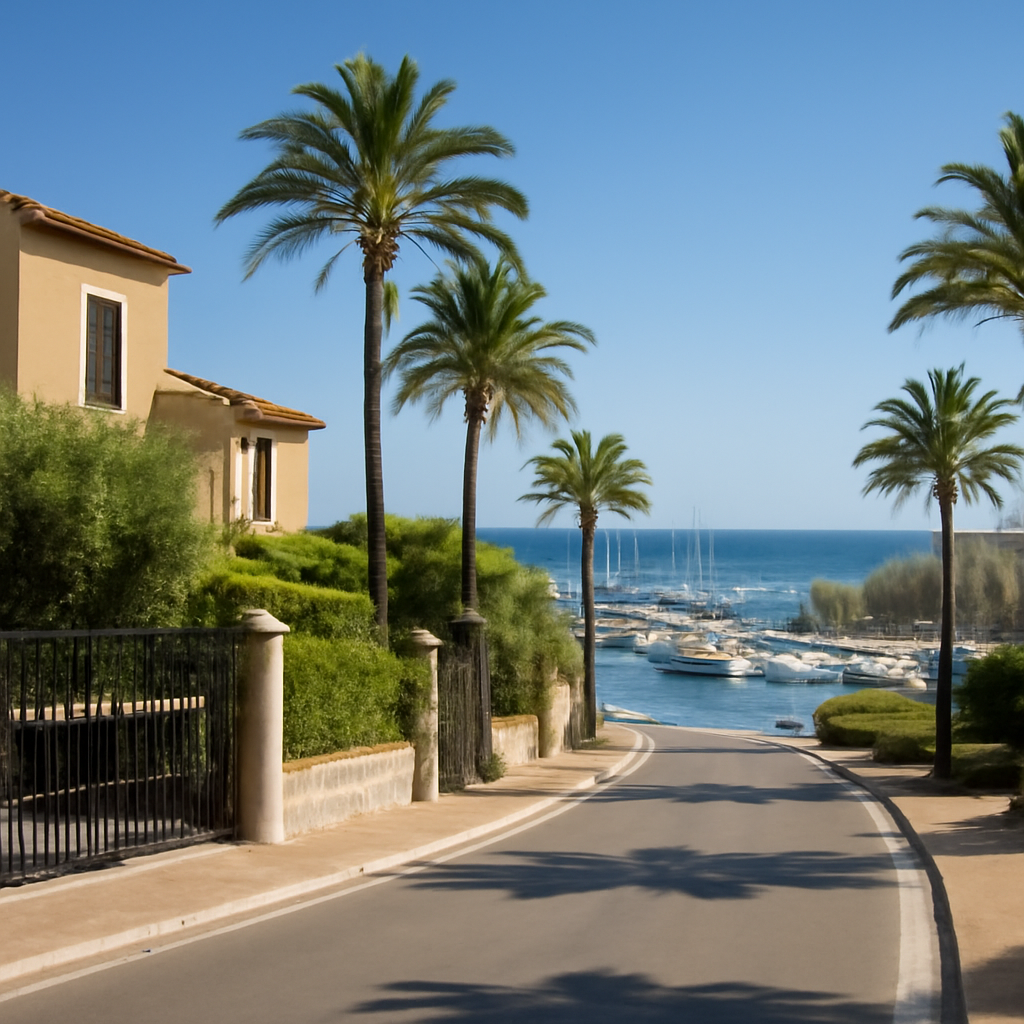 Utility bills stay low compared to the UK or Denmark – around €200 a month for electricity, water and internet. Property taxes are modest: a 2% registration fee and a 1% annual tax on the market value. In short, your wallet stays happy while the lifestyle stays high‑quality.
Community life here is vibrant. Regular art festivals, wine tastings and golf tournaments create a social calendar that feels more like family gatherings than events. If you’re a pet owner, you’ll find plenty of walking paths and a relaxed attitude toward animals.
When you’re ready to move forward, the first concrete step is a weekend visit. Talk to locals, test the cafés, check school ratings if you have kids, and look at property energy certificates.
Don’t forget the night – outdoor lighting adds both safety and charm. A high‑end outdoor lighting solution can transform your terrace, highlight the garden, and keep your home secure after dark.
If the idea of buying feels like a maze, a practical map can help. Check out the How to Buy Property in Spain guide for a clear, step‑by‑step roadmap – from budgeting and legal paperwork to closing the deal.
After you’ve mapped out what matters to you, the next move is to dig into the market data. It’s the place where dreams meet reality.
First, grab the most recent price per square metre figures for Sotogrande Alto, the marina area, and the historic core. In 2023 the average was €7,200 per m², up 3.5% from last year.
Next, compare those prices to similar beach‑side towns—Marbella, Puerto Banús, and Estepona. If you’re chasing value, you’ll notice Sotogrande offers a more balanced mix of luxury and affordability.
Look at the year‑over‑year trend. A 3.5% rise is modest but healthy, suggesting demand is steady, not speculative. That steadiness is a sign of a mature market.
Market activity spikes in late spring and early autumn when buyers from the UK and Scandinavia line up for viewings. If you’re planning a purchase, aim for May or September to catch a quieter market and better deals.
Use the monthly average of €200 for utilities as a baseline. Add a 5–10% buffer for larger homes or extra amenities like a pool or gym.
Talk to locals and real‑estate agents who specialize in the marina sector. They’ll flag upcoming developments—new luxury hotels or marina upgrades—that can drive prices up or down.
Consider the local tax climate. The 2% registration fee and 1% annual property tax are lower than in many European metros, but the cost of living per square metre keeps the market balanced.
Finally, plot your budget against these numbers. If your target is a 3‑bedroom villa with sea view, set a ceiling around €200k–€220k and you’ll be in the sweet spot for value.
By marrying the data with your personal priorities, you’ll have a clear, actionable roadmap. The next step is to sit down, crunch the numbers, and make a move that feels right for you.
Don’t rely on memory alone—pull a recent market report from the local property office or a trusted research firm. Those PDFs often break down price trends by quarter and by property type, giving you a granular view.
Once you’ve charted the data, run a quick scenario analysis: What happens if you buy now versus waiting a year? A simple spreadsheet can show potential appreciation or depreciation based on current averages.
At the end of the day, a solid market analysis turns guesswork into a plan. When you combine the numbers with your lifestyle goals, the decision becomes less about risk and more about confidence.
 Step 3: Compare Safety and Public Services
So, after looking at prices and lifestyle, the next thing that matters is whether you’ll feel safe and supported in day‑to‑day life. For many of our clients from the Netherlands, Denmark, or the UK, that translates into clear crime stats, reliable police presence, and easy access to health care.
In 2023 Sotogrande posted just three theft incidents across the whole community, a number that has actually dropped from the previous year. That’s not a coincidence – it’s the result of a layered security strategy that combines thermal cameras, fencing, and real‑time patrols. Imagine walking to the marina and seeing a patrol car’s LED sign flicker as it passes; that’s the kind of reassurance locals talk about.
But safety is only one side of the coin. Public services – like emergency response times, police coverage, and local council support – shape your everyday comfort. Residents often remark that the local police respond in under fifteen minutes for most incidents, which is noticeably faster than larger coastal towns.
And what about health care? The nearest hospital is just a 15‑minute drive away, and several urgent‑care clinics sit on the edge of town. For families from Sweden or Norway, having a local GP that speaks English can make the transition smoother.
So, how do we put it all together? We’ve put the key points into a quick comparison table that lets you weigh each factor at a glance.
| Feature | What Sotogrande Offers | Why It Matters |
| Crime Rate | 3 theft incidents in 2023 across 1,200 residents | Consistently low crime gives peace of mind for families and retirees |
| Police Response Time | Average < 15 minutes | Rapid emergency handling reduces risk during accidents or medical events |
| Health Facilities | Hospital 15‑min drive; local urgent‑care clinics | Accessible care is crucial for elderly or those with ongoing conditions |
| Security Technology | Thermal cameras, perimeter fencing, speed cameras | Modern tech deters intrusions and logs incidents for quick action |
Remember, these numbers come from the Sotogrande Management report, which you can review in detail Sotogrande Management report. That report gives you a deeper dive into how the community collaborates with civil and national police to keep the area safe.
If you’re still unsure, reach out to a local resident or chat with a friendly property agent who knows the streets by heart. Their on‑the‑ground anecdotes will give you the gut feeling that raw stats can’t capture.
Now, what’s your next move? Grab a copy of that report, line up a quick call with a local agent, and ask about the neighborhood you’re eyeing. The safety and public‑service picture you build will let you decide whether Sotogrande feels like a home or just another pretty address.
Let’s talk schools, tutoring, and lifelong learning, because if you’re thinking about settling down in a place, you’ll want more than just a nice beach.
First off, Sotogrande hosts a handful of international schools that follow British, French, and American curricula. They’re all within a short drive of the marina, so your kids can hop on a bus and be back in time for the evening tide.
If you’re a lifelong learner, you’ll find the community’s adult education centers a real gem. They offer cooking classes that spotlight Spanish cuisine, language courses that help you master Castilian and Catalan, and even digital workshops for remote workers.
Now, here’s where the local vibe steps in: the schools aren’t just academic hubs, they’re social hubs too. Parents often swap recipes over lunch, and parents’ nights become networking nights. It’s a built‑in community that’s a bonus for anyone who loves to connect.
When you’re assessing whether Sotogrande is a good place to live, ask yourself: do the schools align with your family’s goals? Do the adult classes fit your own curiosity? And, can you picture yourself teaching a recipe or coding class to a curious neighbor?
A practical next step is to tour the schools and ask for a parent‑teacher meeting. Bring a notebook and jot down details: class sizes, extracurriculars, and how the school integrates the local culture. If you’re still unsure, spend a weekend at a local community center; those spaces often host workshops for anyone, from toddlers to retirees.
Finally, remember that education isn’t static. Sotogrande’s universities partner with Spanish universities to offer distance learning credits, and many international schools have exchange programs with towns across Europe. That flexibility means you can grow alongside your community.
So, if you’re weighing whether Sotogrande is a good place to live, let the schools be one of your guiding lights. They’ll show you the depth of community, the quality of learning, and the everyday opportunities to learn something new each day.
Take a step in that direction, book those school visits, and you’ll see if Sotogrande’s classrooms feel like home.
If you’re curious about specific programs, grab the school’s prospectus or visit their website to see the curriculum details. Most schools also host open‑days in spring and summer, giving families a chance to walk the halls, meet the teachers, and get a feel for the daily rhythm.
Feel free to ask your local agent for guidance.
Health matters as much as the sunset over the marina. When you’re weighing if Sotogrande is a good place to live, you want to know what care looks like when you need it.
First stop: the primary care clinic that sits a ten‑minute walk from most homes. It’s staffed with bilingual doctors who speak English, French, and Spanish. That means a Belgian expat with a chronic condition can get a prescription without a language barrier.
Next, look at the nearest hospital. The regional center in San Pedro de Alcántara is just 15 minutes by car and runs a full emergency department. For urgent surgeries, patients are transferred to the larger hospital in Málaga, still within a 45‑minute drive. That network of facilities gives you both immediate care and specialist options.
Now, think about wellness beyond medical care. The town boasts several yoga studios, a Pilates boutique, and a small aquatics center with a 25‑meter pool. If you love a morning swim or a guided meditation, you’ll find classes scheduled for all skill levels. A good rule of thumb is to visit one class before committing to a membership; most places offer a free introductory session.
Do you enjoy the Mediterranean lifestyle? You’ll love the local health food market, where fresh produce and olive oil are staples. Many residents adopt a plant‑based diet with lean seafood, which has been linked to lower rates of heart disease in regional studies. It’s not just a trend—it’s a part of the daily rhythm here.
Another layer worth checking is mental health support. A handful of counselling center in Sotogrande provide therapy in English and other languages. If you’re moving from the UK or Finland, you’ll appreciate that cultural sensitivity. Remember to ask whether your health insurance covers overseas therapy sessions.
Here’s a quick wellness checklist you can use on a visit:
So, does this all fit with your lifestyle? If the answer is a hopeful “yes,” you’ve probably found a community that supports your physical and mental health. If you’re still unsure, schedule a day trip to the clinic and the pool. A firsthand feel is the most convincing proof that Sotogrande is a good place to live.
Take the time to walk the corridors, chat with staff, and picture yourself living here.
Safety is a top concern for anyone moving abroad. In Sotogrande, a combination of private security teams, local police patrols, and modern surveillance tech keeps crime rates among the lowest on the Costa del Sol. Residents routinely report that the neighbourhood feels secure enough to let children play on the beach or walk their pets at dusk without worry.
Living expenses in Sotogrande are competitive, especially when you factor in the Mediterranean lifestyle. A typical two‑bedroom villa runs about €200 per month for utilities, which is lower than many European cities. Groceries, dining, and leisure activities also fit comfortably within a moderate budget, making the area attractive for both retirees and young families.
With an average annual temperature of 18 °C, Sotogrande offers mild winters and warm summers. This steady climate means you can enjoy outdoor activities almost year‑round—think beach walks, golf, or morning yoga on the deck—without battling extreme heat or cold.
The community has a primary care clinic staffed by multilingual doctors, and the nearest regional hospital is a short drive away. Emergency response times are typically under fifteen minutes, which is reassuring for anyone who needs urgent medical attention or has chronic conditions.
Sotogrande hosts several international schools offering British, French, and American curricula. These schools are well‑regarded for their inclusive environment and strong academic standards. Parents often appreciate the blend of global education with local cultural experiences, which can be a deciding factor for families moving from places like the UK or the Netherlands.
Absolutely. Retirees enjoy peaceful marina views, low‑impact activities, and a relaxed community feel. Meanwhile, young professionals find vibrant cafés, networking events, and nearby work hubs that complement a dynamic lifestyle. The mix of tranquil living and active social scenes makes Sotogrande versatile for many demographics.
Research current price per square metre—typically around €7,200 for luxury villas—and compare that with your budget. Understand local taxes: a 2% registration fee and a 1% annual property tax. Finally, arrange a visit to tour neighbourhoods, talk to residents, and test amenities to ensure the area truly feels like home.
So, after all the digging, you’re left asking: *Is Sotogrande a good place to live?* The answer isn’t a one‑liner—it’s a mix of what you value most and how the town stacks up against those values.
If you’re chasing calm mornings with a sea breeze and a short stroll to a beach club, Sotogrande delivers. The neighborhood’s low crime rate, fast emergency response, and reliable utilities mean you can breathe easy.
International schools bring a global vibe while keeping local culture alive. For retirees, the marina’s slow‑paced cafés and senior‑friendly walking paths are a hit.
Price per square metre stays competitive, especially against other Costa del Sol hotspots. Coupled with a straightforward tax regime, you get good value for money.
Book a weekend visit, chat with a few residents, and feel the rhythm of daily life. That real‑world feel is the best gauge of whether Sotogrande fits your story.
In short: yes, it can be a good place to live—if its blend of safety, community, and affordability lines up with what you’re after. Ready to explore? Reach out and let the local team show you around.
If you’re still chewing over whether Sotogrande is a good place to live, it helps to line up a few trusted sources that dig deeper than the surface buzz. Think of them as a cheat‑sheet that lets you compare climate, cost, and lifestyle side‑by‑side.
A solid starting point is the Spanish National Institute of Statistics, which publishes yearly data on average household spend, temperature trends, and migration flows. The numbers give you a realistic snapshot of what living here actually feels like, not just the postcard image.
For property insights, the regional real‑estate board publishes quarterly reports that track price per square metre, rental yields, and the balance of new construction versus resale. Those figures are the backbone of any smart buying decision.
If your priority is climate, the European Centre for Climate Change Studies offers a user‑friendly heat‑map tool that overlays annual averages with projected changes over the next decade. It lets you see whether a sunny summer is just a trend or a long‑term reality.
On the legal front, the Spanish Ministry of Interior hosts a clear guide on the NIE registration process, including required documents, timelines, and common pitfalls for expatriates. Knowing this ahead of time can shave weeks off your paperwork.
Lastly, if you’re a retiree or a digital nomad, the local tourism office publishes a yearly ‘Life in Sotogrande’ booklet that covers everything from healthcare access to community events, plus a handy FAQ section that tackles the most asked questions by newcomers.
Pull these resources together, cross‑check the data, and you’ll have a solid, data‑backed picture that answers the burning question: is Sotogrande a good place to live? You can then decide with confidence rather than speculation.