Picture this: you step out onto a sun‑drenched terrace, the Mediterranean breeze teasing the scent of orange blossoms, and below you the glittering coastline of the Costa del Sol stretches as far as the eye can see.
Does that feeling sound like the dream you’ve been chasing when you think about luxury villas Marbella?
We get it. The idea of owning a slice of paradise can feel both exhilarating and a little overwhelming—especially when the market is buzzing with sleek modern designs, historic finca charm, and price tags that seem to change with the tide.
Here’s the good news: you don’t have to navigate this alone. At Sunny Coast Homes we’ve spent years matching discerning buyers from Belgium, the Netherlands, the UK and beyond with properties that feel less like a purchase and more like a personal sanctuary.
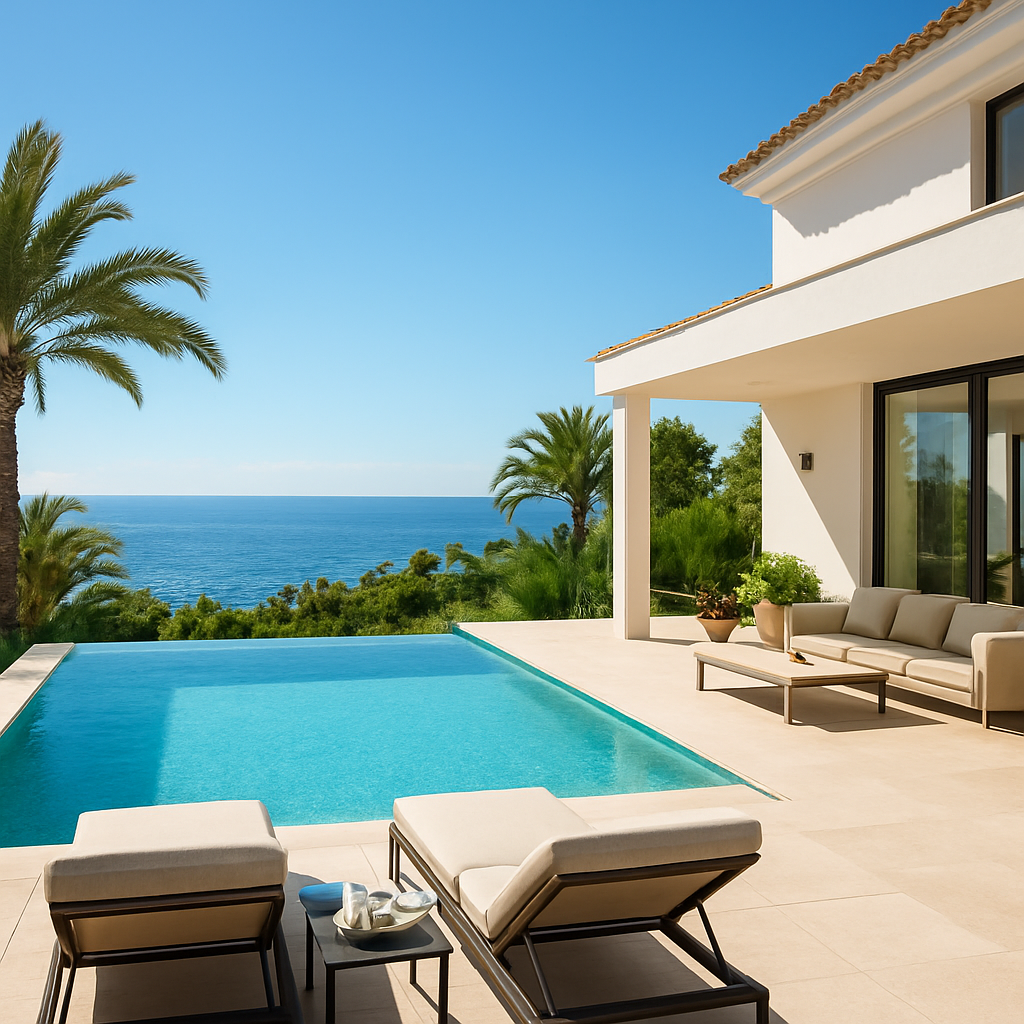
Think about the moments you’d love to host: a sunset dinner on a stone‑paved patio, kids splashing in a private infinity pool, or simply waking up to the sound of gulls over a palm‑lined garden. Those scenes aren’t fantasies—they’re everyday life for owners of luxury villas Marbella.
But before you start scrolling through endless listings, ask yourself what truly matters: location, style, amenities, or maybe the vibe of the neighborhood? Do you crave the buzz of Puerto Banús, the tranquility of Sierra Blanca, or maybe the historic charm of the Old Town?
We’ll walk you through the subtle differences, from beachfront penthouses with floor‑to‑ceiling glass to hillside retreats perched on the foothills of the Sierra Blanca range. Each option comes with its own set of pros, from breathtaking sea views to exclusive golf course access.
And because a smart investment is as much about the numbers as the lifestyle, we’ll also touch on financing tips, tax considerations, and how to spot a property that will hold its value for years to come.
Ready to turn that day‑dream into a concrete plan? Let’s dive in and explore the world of luxury villas Marbella together, one thoughtful step at a time.
Looking for luxury villas Marbella? We’ll guide you through locations, styles, financing tips, and investment insights so you can confidently choose your dream seaside sanctuary.
From bustling Puerto Banús to tranquil Sierra Blanca, discover how each neighborhood shapes lifestyle, resale value, and the everyday joy of Mediterranean living for you.
Imagine stepping out of your front door and instantly feeling the pulse of the Mediterranean – that’s the promise of each neighbourhood in Marbella. Each enclave has its own personality, and knowing which vibe matches your lifestyle is half the fun of the hunt.
First stop: Puerto Banús. This is where the glitter meets the sea, with marinas full of super‑yachts and a nightlife that never sleeps. Luxury villas here often boast private dock access, rooftop terraces that overlook the harbor, and interiors drenched in contemporary glamour. If you love entertaining on a grand scale – think cocktail parties under the stars with the hum of engines in the background – this is the playground.
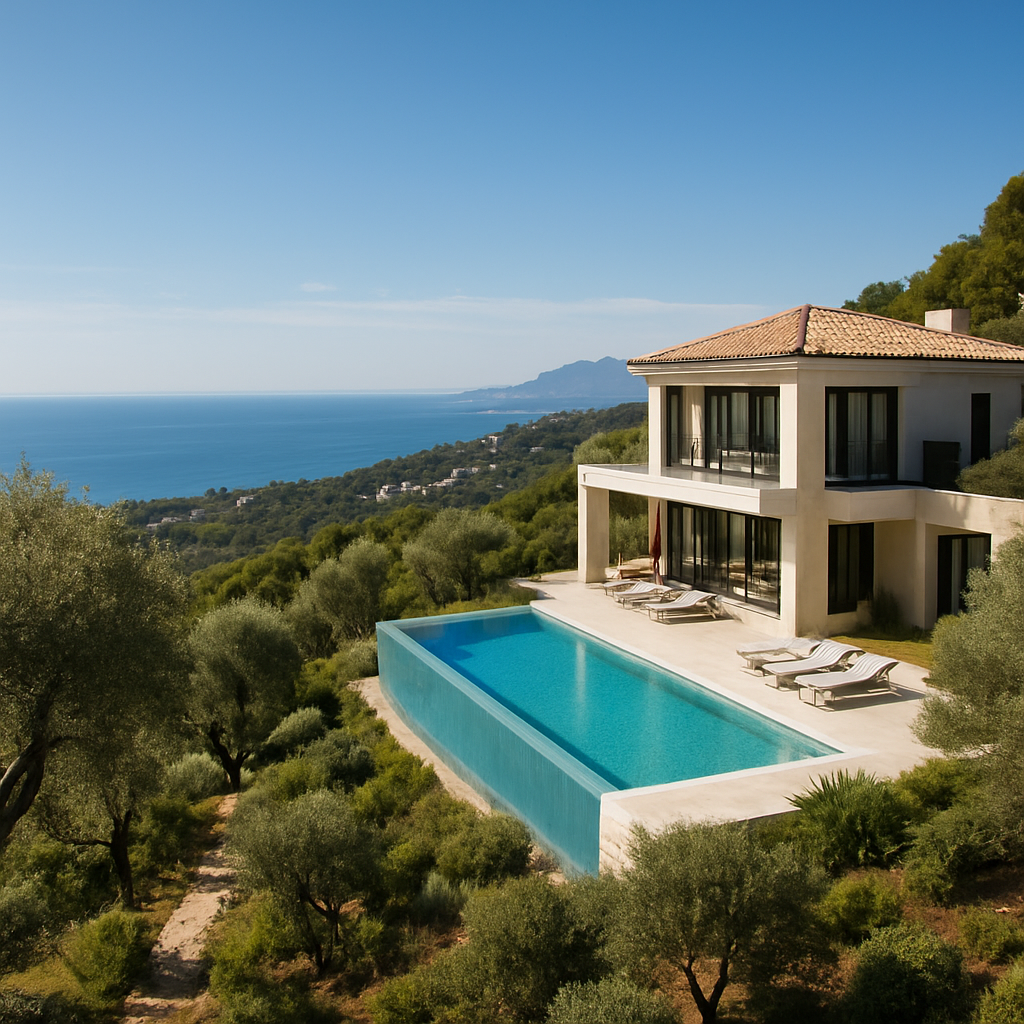
But what if you crave a quieter, more elevated view? Head uphill to Sierra Blanca. Perched on the foothills, this exclusive ridge offers panoramic sea vistas that stretch for miles. Villas are typically set on generous plots, surrounded by pine‑groves, with infinity pools that seem to pour into the horizon. The price tag is higher, yet the privacy and prestige are unmatched. It’s the kind of place where you can hear the wind through the olive trees and still feel minutes away from the city center.
And then there’s the Golden Mile, the classic stretch between Marbella Old Town and Puerto Banús. Here you’ll find a blend of historic finca charm and sleek modern builds. Many properties sit on landscaped gardens, with stone façades that echo Andalusian tradition, yet feature state‑of‑the‑art kitchens and smart‑home tech. It’s perfect for families who want a balance of beach proximity and a touch of heritage. Looking for something with a bit more history? The Old Town (Casco Antiguo) offers villas tucked behind cobblestone lanes, often restored from centuries‑old manor houses. Imagine a private courtyard filled with citrus trees, a fountain murmuring in the background, and the scent of orange blossoms drifting in the breeze. These homes are for those who appreciate character and are willing to invest a little love into preservation.
For golf enthusiasts, Nueva Andalucía is the go‑to. Nestled around world‑class courses like Los Naranjos and Aloha, many villas come with direct fairway views and easy access to club facilities. The community feels like a resort year‑round – perfect for morning tee‑offs followed by a swim in a private pool.
And if you’re after a blend of seaside charm and a laid‑back vibe, the Elviria strip offers beachfront villas with direct sand access, yet retains a more relaxed, family‑friendly atmosphere compared to the buzz of Puerto Banús.
Now, let’s talk practicalities. When you zero in on a neighborhood, you’ll want a roadmap that explains the nuances of each market, from price trends to zoning rules. A Complete Guide to Buying Villas for Sale Marbella walks you through exactly that, helping you match your budget with the right location.
Once you’ve signed on the dotted line, the work isn’t quite over. Luxury villas often need thoughtful upgrades – think kitchen remodels, spa‑like bathrooms, or exterior refurbishments. That’s where a trusted contractor comes in. LGFMH Construction specializes in interior and exterior repairs, ensuring your new home stays pristine and adds value over time.
And if you’re dreaming of an outdoor oasis – perhaps a pergola for al fresco dining or a shaded lounge area – navigating local permit requirements can feel like a maze. The guide on Understanding Pergola Permit Requirements breaks down the process step‑by‑step, so you can focus on design rather than paperwork.
Each area also comes with its own lifestyle perks: exclusive beach clubs in Puerto Banús, hiking trails near Sierra Blanca, and weekly farmers’ markets in the Old Town. Think about how you’ll spend your weekends – are you more likely to be sailing, sipping coffee on a terrace, or playing golf?
In short, Marbella isn’t a monolith; it’s a mosaic of distinct pockets, each offering a different flavor of luxury living. By pinpointing the vibe that resonates with you, and pairing it with the right professionals for renovations and outdoor projects, you’ll turn a beautiful property into a true home.
First thing you notice when you step into a true luxury villa Marbella is how the setting does the talking. Whether it’s the endless blue of the Mediterranean on the Golden Mile or the whisper of pine on a Sierra Blanca hillside, the view becomes part of the home’s DNA. A villa that looks out over the sea will usually boast floor‑to‑ceiling glass, a wrap‑around terrace and a private infinity pool that seems to melt into the horizon.
And if you’re more about mountain breezes, think about a hillside property with terraced gardens, an outdoor kitchen tucked into a stone wall, and a small amphitheater for sunset dinners. The key is that the location isn’t just a backdrop – it shapes every amenity you’ll want.
What makes a villa feel truly upscale? It’s the details that let you live effortlessly. Here are the hallmarks you’ll see time and again:
Those aren’t just nice‑to‑have; they’re expected by buyers who compare listings side‑by‑side. A villa that lacks any of these will feel like a compromise.
Take Villa Aurora on the Golden Mile – a 1,200 m² modern masterpiece with an infinity pool that stretches to the sea, a roof‑top bar, and a fully automated lighting system that adjusts to the sunset. The owners say the smart‑home panel lets them dim the lights from the kitchen while the kids splash in the pool.
Then there’s Villa Sierra in Sierra Blanca, a traditional Andalusian stone house that blends old‑world charm with a contemporary wellness wing: a heated indoor pool, a yoga deck perched on a hilltop, and a private olive‑grove that supplies the kitchen with fresh oil.
In Puerto Banús, Villa Maravilla offers a sleek glass façade, a private gym, and a rooftop bar that looks straight over the marina. The owners love hosting sunset cocktail parties because the view and the built‑in sound system make every gathering feel like a five‑star event.
When you’re touring a property, keep this quick checklist in your pocket (or phone). Tick each item; if you’re missing more than two, it’s probably not the level you’re after.
After you walk through, sit down with your agent and ask for a “features audit” – a document that lists each amenity, its condition, and any warranties. That way you avoid surprises down the line.
Even in a market as hot as Marbella, a villa that’s thoughtfully designed will hold its value better. Here’s what seasoned agents advise:
Bottom line: luxury isn’t just about price tags; it’s about a lifestyle that feels effortless every day. By focusing on the right features, you’ll find a villa that isn’t just a purchase, but a personal sanctuary you’ll love coming back to.
Okay, let’s get real about the money side of luxury villas Marbella. You’ve already imagined the sea breeze and the private pool – now you need to know whether the price tag makes sense for your wallet and your long‑term plans.
In 2025 the market still feels tight – there aren’t many fresh plots left, and demand from abroad stays strong. That’s why average prices per square meter vary so wildly across the coast. According to a recent market snapshot, the overall Marbella average sits between €4,800 and €5,400 per m², with the ultra‑premium Golden Mile pushing past €6,000 and some ultra‑luxury estates soaring above €30,000 per m². Marbella’s annual growth ticking up 10‑13 % last year, outpacing nearby Estepona and Benahavís.
Here’s a quick cheat sheet that lines up the most sought‑after pockets. Use it as a first filter before you start scrolling through endless listings.
| Neighborhood | Avg €/m² (2025) | Typical annual growth | Ideal buyer |
| Golden Mile (beachfront) | €6,000‑+30,000 | ≈13 % | Luxury‑lifestyle seekers, investors wanting high‑visibility rentals |
| Sierra Blanca (hillside) | €6,500 / m² | ≈12 % | Privacy lovers, families craving space and views |
| Puerto Banús (gated urban) | €7,800 / m² | ≈11 % | Social butterflies, second‑home buyers |
Notice the pattern? The closer you are to the sea or a high‑profile amenity, the steeper the price per square meter – but the upside in resale speed and rental yield usually matches that premium.
Take Villa Aurora on the Golden Mile: 1,200 m², sold for roughly €9 million in early 2025. The owners recouped about 8 % of the purchase price in just two years through short‑term luxury rentals during the summer season.
Contrast that with Villa Sierra in Sierra Blanca – a 1,500 m² traditional finca that fetched €9.8 million. Because the plot includes 2,200 m² of terraced garden, the owners enjoy a quieter lifestyle and a slower, but steady, 6‑7 % annual appreciation that aligns with the neighborhood’s growth rate.
And over in Puerto Banús, Villa Maravilla – a 650 m² sleek modern home – went for €5.2 million. Its proximity to the marina means it attracts high‑net‑worth renters who are willing to pay €3,500 a month for a fully‑furnished short stay, delivering a solid cash‑flow while the property’s value climbs about 11 % per year.
Step 1 – Map your budget to price per m². Divide your max spend by the average €/m² of each area to see roughly how much space you can get.
Step 2 – Crunch the growth vs. rental yield. A 13 % appreciation sounds great, but if the same villa only nets a 3 % rental yield, you might prefer a steadier 8 % cash return in a slightly lower‑priced zone.
Step 3 – Check the “license” and “turn‑key” status. A property with a Licencia de Primera Ocupación saves you months of bureaucracy and protects your investment value.
Step 4 – Ask for a “price history” report. It reveals whether the seller has been cutting the price or if the market has simply shifted.
Step 5 – Run a simple ROI calculator: (annual rental income ÷ purchase price) × 100 = % yield. Compare that to the neighborhood’s growth % – the higher of the two usually signals the smarter bet.
If you’re not ready to pour everything into one ultra‑luxury beachfront villa, consider a “dual‑strategy” purchase: a primary residence in Sierra Blanca for personal use, and a smaller, high‑rental‑potential flat in Puerto Banús that can generate cash while you’re away.
Also, keep an eye on energy‑efficiency upgrades. The CA Estates article notes that solar panels and double‑glazed windows can shave €5‑10 k off annual operating costs, which directly boosts net rental returns.
Bottom line: price isn’t the only driver. Look at growth trends, rental yield, licensing, and long‑term maintenance costs. When you line those up, the decision becomes less about “which villa looks prettier” and more about “which one fits my lifestyle and investment goals.”
Ready to crunch the numbers on a specific listing? Grab the latest price per m² data, run the quick ROI test, and let your agent pull the full property dossier. You’ll see the sweet spot where luxury meets smart money.
So you’ve fallen in love with a luxury villa in Marbella, but you’re also hearing that renting might be smarter. That tug‑of‑war feels familiar, right? Let’s break it down together and see which path lines up with your lifestyle and your wallet.
Buying isn’t just about owning a roof over your head – it’s a long‑term financial lever. Renting, on the other hand, gives you flexibility but can feel like you’re feeding someone else’s equity. The sweet spot depends on how you picture your future: are you planning to spend most of your evenings on a private terrace, or do you see yourself hopping between European getaways?
Grab a spreadsheet and list the upfront costs of buying – down‑payment (usually 30‑40% for non‑residents), transfer tax (6‑10% in Andalucía), notary fees, and any renovation budget. Then add recurring costs: community fees, property tax, insurance, and utilities. Compare that against a typical high‑end rental price in Marbella (around €4,000‑€6,000 per month for a 5‑bedroom villa).
Here’s a quick sanity check: if the total annual cost of ownership is less than 12‑times the monthly rent, buying often starts to look more attractive.
Run the simple ROI calculator you already know: (annual rental income ÷ purchase price) × 100. For a €9 million Golden Mile villa that could fetch €300,000 a year in short‑term rentals, you’re looking at a 3.3% yield. Add the neighborhood’s historical appreciation – about 13% in the Golden Mile according to market reports – and the combined return nudges above 16%.
But if you’re eyeing a hillside retreat in La Quinta, the rental market is softer (≈€2,500/month) while appreciation still hovers around 12% (see La Quinta market data). That means the upside leans more on capital growth than cash flow.
Renting out a villa in Puerto Banús or the Golden Mile requires a “Licencia de Primera Ocupación.” Without it, you’ll face fines and can’t legally rent short‑term. Buying a property that already has the license saves you months of bureaucracy – a real confidence booster.
Conversely, if you rent, you’re not responsible for securing that license. You simply enjoy the space while the owner handles compliance.
Scenario A – The investor‑family: Maria and Tom bought a 1,200 m² beachfront villa for €9.5 million. They kept the property 70% of the year for personal use and rented it out the rest, pulling in €350,000 annually. Their net yield sits at 3.5%, but the 13% appreciation in the Golden Mile means the property’s equity grew by €1.24 million in just three years.
Scenario B – The nomadic professional: Jens, a consultant from Germany, prefers flexibility. He rents a 5‑bedroom villa in Sierra Blanca for €4,200 a month, freeing up capital to invest in multiple short‑term rentals across Europe. After two years, he’s built a diversified portfolio that outperforms a single‑property purchase in terms of liquidity.
Both paths work – it’s about what you value more: equity growth or mobility.
When you’ve ticked the boxes, you’ll see the decision more clearly than the glossy photos on a listing.
• If you’re leaning toward buying, prioritize properties with energy‑efficient upgrades (solar panels, double‑glazed windows). They shave €5‑10 k off annual operating costs and boost resale appeal.
• If renting, negotiate a longer lease (12‑18 months) with a break clause. It gives you stability while you keep an eye on the market for a better purchase opportunity.
• Don’t ignore the hidden cost of management fees if you plan to let the villa short‑term. A reputable local manager can cost 15‑20% of gross rent, but they also handle licensing, cleaning, and guest screening.
• Always get a pre‑purchase inspection. Even luxury villas can hide costly structural issues that eat into your ROI.
Ultimately, the decision is personal, but armed with numbers and real‑world examples, you’ll feel far less guesswork and a lot more confidence.
 Take the next step: jot down your budget, run the ROI test, and reach out to a local expert who can verify licences and provide a detailed property dossier. You’ll know exactly whether buying or renting fits your dream lifestyle and investment goals.
Imagine you’ve just fallen in love with a sea‑front villa, the sun is setting over the Mediterranean, and you’re already picturing dinner parties on the terrace. Then the paperwork lands on your desk and the numbers start to look a bit… heavier. That moment of excitement turning into a head‑scratch is totally normal – and it’s exactly why we need to get the legal and tax side sorted before you sign anything.
In Spain, buying a luxury villa isn’t just about the price tag; it’s a cascade of taxes, registrations, and licenses that can add up fast. Miss one step and you could end up paying extra fees later, or even face penalties that bite into the joy of your new home.
The first thing you need is a Spanish tax identification number – the NIE. It’s the key that unlocks everything from opening a bank account to signing the public deed (escritura). Without it, the notary can’t register the transaction.
Next, ask your lawyer for a Nota Simple. It’s a snapshot from the Registro de la Propiedad that shows who really owns the villa, any mortgages, and if there are easements or communal debt. Think of it as the property’s medical record – you wouldn’t skip that, right?
When you’re ready to seal the deal, the public deed is signed in front of a notary. The notary’s job is to verify identities, confirm the Nota Simple matches the contract, and then file the deed with the land registry. Once that’s done, the property officially belongs to you.
If you’re buying a resale villa, you’ll pay the Property Transfer Tax (Impuesto de Transmisiones Patrimoniales, ITP). In Andalusia it ranges from 6 % to 10 % of the purchase price, depending on the price bracket. For brand‑new builds, it’s not ITP but VAT (IVA) at 10 % plus a 1.5 % stamp duty (Actos Jurídicos Documentados). Those percentages can feel like a surprise, but they’re set by law, so budget them in early.
Remember, the tax is calculated on the official property valuation (valor catastral) if that’s higher than the purchase price, so you can’t always assume a lower tax bill just because you negotiated a good price.
Once the villa is yours, the local council will send you the IBI – the annual property tax. It’s usually 0.4 % to 1.1 % of the cadastral value, and it funds street cleaning, lighting, and the occasional fountain repair.
If you plan to rent the villa, even short‑term, you’ll need to declare the rental income. Non‑resident owners pay a flat 24 % income tax on gross rent, unless you can deduct expenses. And for high‑net‑worth buyers, there’s the wealth tax (Impuesto sobre el Patrimonio) – a progressive rate that starts at 0.2 % for assets over €700,000.
The “Licencia de Primera Ocupación” proves the villa meets habitability standards – it’s mandatory for any residential use. If you want to let the place out, you’ll also need a “Licencia de Alquiler Turístico” from the local council. Skipping these licenses can lead to fines and even forced closure of the rental operation.
By ticking each of those boxes, you turn what could feel like a legal maze into a clear road map. That way, when you finally step onto your new terrace, the only thing you’ll be thinking about is which cocktail to serve at sunset, not which tax office you missed.
When you step into a new villa and the first thing you notice is a floor of warm limestone that feels like a piece of the beach underfoot, you instantly sense the shift from flashy to thoughtful design. 2025 is all about letting the natural landscape dictate the palette – think reclaimed wood, stone‑washed marble, and woven rattan that echo the surrounding cliffs and pine forests.
Imagine a living room where the ceiling soars 5 meters, the walls are a crisp, soft white, and a slab of polished marble runs the length of the main hallway, reflecting the sun like a quiet tide. That contrast – raw stone against pristine surfaces – creates a calm that feels both modern and timeless.
Do you ever feel cramped by too many walls? In Marbella, the answer is a resounding no. Designers are tearing down barriers, extending living spaces onto terraces, and blurring the line between inside and out. Large sliding glass walls that disappear into the garden are now standard, letting you drift from a kitchen island straight onto a infinity pool deck without missing a beat.
One of the most striking examples is a modern villa showcased by a luxury furniture studio, where high ceilings and clean lines are paired with floor‑to‑ceiling glass that frames the sea. The result? A living room that feels like an extension of the coastline itself. Boca do Lobo’s opulent modern villa demonstrates how minimalistic interiors can still feel grand when the outdoors is invited in.
What if your villa could think for you? Smart‑home hubs are now woven into the architecture, controlling lighting, climate, and security with a single tap. Energy‑efficient solutions – solar panels discreetly placed on roof terraces, double‑glazed windows, and heat‑recovery ventilation – are no longer add‑ons; they’re expectations.
Buyers are looking for homes that not only wow visually but also reduce their carbon footprint. The same 2025 trend report notes that eco‑friendly interiors are becoming a baseline for luxury, offering lower operating costs and a healthier indoor environment.
Ever sat on a sofa that feels like it was made just for you? Custom‑crafted pieces are the new status symbol. Designers are collaborating with artisans to create one‑off tables, chairs, and lighting that reflect personal taste while staying cohesive with the villa’s overall aesthetic.
Think of a marble dining table topped with a smoked‑glass surface, flanked by velvet‑upholstered chairs – each element hand‑selected, each texture chosen to invite touch. These details turn a beautiful space into a deeply personal sanctuary.
So, how do you know you’re on the right track? Here’s a quick mental checklist as you walk through a potential property:
If you’re nodding to most of these, you’re looking at a villa that embodies the 2025 design ethos for luxury in Marbella. The next step? Bring a trusted architect who knows how to balance these trends with the practicalities of building on the Costa del Sol – from permitting to climate‑responsive construction.
When the design feels right, the rest of the buying journey becomes a lot smoother. You’ll spend less time worrying about “what if” and more time picturing sunset cocktails on a terrace that’s truly yours.
We’ve taken a quick tour through what makes luxury villas Marbella truly stand‑out – from sun‑kissed infinity pools to smart‑home tech that anticipates your every need.
Now you might be wondering: does all this sparkle translate into a home that fits your life? The answer is yes, as long as you match the villa’s vibe with your daily rhythm and long‑term goals.
Start by revisiting the checklist we built earlier – natural materials, seamless indoor‑outdoor flow, and those wow‑factor amenities. If most boxes are ticked, you’re probably looking at a property that will feel less like a purchase and more like an extension of yourself.
Next, have a candid conversation with a local expert at Sunny Coast Homes. They’ll verify licenses, run the numbers on taxes and ROI, and help you navigate the paperwork so you can focus on picturing sunset cocktails on your terrace.
So, what’s the next step? Grab a shortlist of villas that meet your criteria, schedule a view, and let the feeling you get in the space guide your decision. When the right villa clicks, the rest of the journey falls into place.
Ready to turn that vision into reality? Reach out today and let us help you find the luxury villa Marbella lifestyle you’ve been dreaming about.
First, check the basics: private pool, smart‑home hub, high‑end kitchen appliances, and a wellness space like a gym or sauna. Then, walk around the outdoor areas – you want seamless indoor‑outdoor flow, plenty of covered lounge space, and unobstructed sea or mountain views. Finally, verify that the property has a valid Licencia de Primera Ocupación and that any bespoke features (home cinema, helipad) are in working order.
Besides the purchase price, expect to pay the Property Transfer Tax (ITP) ranging from 6 % to 10 % of the declared value, or 10 % VAT plus 1.5 % stamp duty for new builds. Add notary and registration fees (about 1 % total) and the annual IBI, which is roughly 0.5 % of the cadastral value. A safe rule of thumb is to set aside an additional 12‑15 % of the asking price for these costs.
Yes, but you’ll need a “Licencia de Alquiler Turístico” from the local council and the property must already have a first‑occupation license. Register the rental with the regional tourism board, collect the tourism tax from guests, and consider hiring a local manager – they usually charge 15‑20 % of gross rent but handle licensing, cleaning, and guest screening. This keeps your ROI realistic and avoids fines.
The Golden Mile offers beachfront immediacy, higher resale speed, and rental yields that can top 8 % during peak season, but prices per square meter can exceed €30,000. Sierra Blanca provides more privacy, larger plots, and a slightly lower price per meter, with appreciation around 12 % annually. Your decision should hinge on whether you value daily sea views and premium rentals (Golden Mile) or a quieter, larger estate for personal use (Sierra Blanca).
Ask the seller for the system’s documentation and warranty papers. Test key functions – lighting scenes, climate zones, security cameras – during your visit. Verify that the hub integrates with common voice assistants and that firmware is up to date. If the system is custom‑built, request a technician’s inspection and confirm ongoing support contracts, so you won’t be left troubleshooting on your own.
Many Spanish banks offer mortgages to EU and non‑EU buyers, usually up to 70 % of the property value, with interest rates around 3‑4 % for a 20‑year term. You’ll need a Spanish NIE, proof of income, and often a larger down‑payment (30‑40 %). Some buyers also use offshore financing through their home‑country banks, but this can add currency‑exchange risk and extra paperwork.
Focus on villas with diversified revenue streams – a pool that can host events, a separate guesthouse for rentals, or a flexible layout that appeals to both families and couples. Keep the property well‑maintained; energy‑efficient upgrades like solar panels lower operating costs and make the villa more attractive to future buyers. Finally, work with a reputable agent who can market the villa internationally, ensuring you always have a pipeline of interested parties.