You’ve probably heard the term “NIE number” tossed around by agents, but you still wonder—what exactly is it and why does it matter for your Spanish property adventure?
Short answer: the NIE (Número de Identificación de Extranjero) is the tax identification number every non‑resident needs to sign contracts, open a bank account, or pay property taxes in Spain.
So, how do you actually get a NIE number in Spain? That’s the question most expats ask, and the answer is simpler than you might think once you break it down step by step.
First, you’ll need a valid passport and a brief reason for needing the NIE—buying a home, setting up a business, or even just opening a bank account. The authorities aren’t asking for a novel; a one‑page explanation does the trick.
Next, you choose where to apply. You can go straight to a police station (Comisaría) that handles foreign documentation, or you can use a Spanish consulate in your home country. Many newcomers find the local police office in Málaga or Marbella the quickest route.
Then comes the paperwork: fill out the EX‑15 form, attach your passport copy, proof of address, and the purpose statement. A modest fee—usually around €10‑€15—covers the processing.
Once you hand everything in, the office will either hand you the NIE on the spot or give you a receipt to pick it up in a few days. It’s that straightforward, and the number you receive will follow you for life, even if you move between EU countries.
Why is this so crucial? Without the NIE you can’t legally sign a purchase agreement, register the property, or even pay the annual IBI tax. In short, it’s the key that unlocks every real‑estate transaction on the Costa del Sol.
Feeling a bit more confident? Great—because now you know the exact steps to get your NIE number in Spain and can move forward with confidence. Let’s dive in and explore the detailed process, common pitfalls, and handy tips to make it painless.
Our NIE number Spain how to get guide shows you can obtain the tax ID in an afternoon with a passport, form, and fee.
We walk you through where to apply, what to bring, and how to collect the NIE so you can start buying on the Costa del Sol.
First thing’s first – before you even think about filling out forms, you need to know whether you actually qualify for a Spanish NIE. It sounds like a bureaucratic hoop, but the good news is the eligibility rules are surprisingly straightforward.
In Spain, anyone who plans to engage in any economic or administrative activity – buying property, opening a bank account, renting out a holiday home, or even just paying a utility bill – needs an NIE. That means whether you’re a UK retiree eyeing a beachfront condo or a Dutch investor looking at a villa, you’re on the list.
But there are a few edge cases where you might not need one right away. For example, short‑term tourists staying under 90 days usually don’t need an NIE unless they’re signing a purchase agreement. If you’re only visiting for a weekend brunch, you can skip the paperwork entirely.
So, how do you know if you fall into the “need it now” bucket? Ask yourself these three quick questions:
If you answered “yes” to at least one, you’re eligible – and you should start the process today.
Here’s a real‑world snapshot: Maria, a Belgian expat, wanted to buy a town‑house in Benalmádena. She thought she could wait until the sale closed, but the seller’s notary required an NIE up front. By confirming her eligibility early, she avoided a two‑week delay and sealed the deal on a sunny Tuesday.
Another example: Johan, a German freelance designer, planned to set up a small consultancy in Marbella. He thought a “temporary tax ID” would suffice, but Spanish tax law treats any invoicing activity as a trigger for an NIE. Once he verified his eligibility, he applied and got his number in a single afternoon, letting him start invoicing clients without a hitch.
Now that you’ve convinced yourself you need an NIE, let’s break down the exact eligibility checklist you can run through in five minutes:
1. Purpose Statement – Write a one‑sentence reason for the NIE (e.g., “to purchase a residential property in Marbella”). The authorities don’t need a novel; a clear purpose is enough.
2. Residency Status – Both EU and non‑EU citizens are eligible. If you’re an EU citizen, you can use your national ID; non‑EU nationals need a passport.
3. Timeframe – You must apply within 90 days of arriving in Spain, otherwise you may face a fine or have to start the process again.According to PTI Returns, foreigners have 90 days after arrival to apply.
4. Financial Intent – If you’re buying property, you’ll need a proof‑of‑funds letter or a mortgage pre‑approval. If you’re opening a bank account, a simple statement of intent works.
5. Fee Awareness – The official processing fee sits around €10‑€15. Some offices accept cash only, so have a small amount ready.The same guide notes the fee is typically €10.71 in 2024.
Got all that? Great. You’re now officially “eligible” and ready to move on to the next step: gathering documents and booking an appointment.
Before you rush off, keep these pro tips in mind:
And remember, eligibility isn’t a one‑size‑fits‑all. If your situation is a bit unusual – say, you’re a digital nomad planning a short‑term rental income – it never hurts to call the local Oficina de Extranjería and ask directly.
Bottom line: confirming you meet the basic criteria takes minutes, saves you weeks of back‑and‑forth, and puts you on the fast track to owning that sun‑kissed property.
Ready to gather the paperwork? Let’s move on to the next step – preparing your application package and booking that appointment.
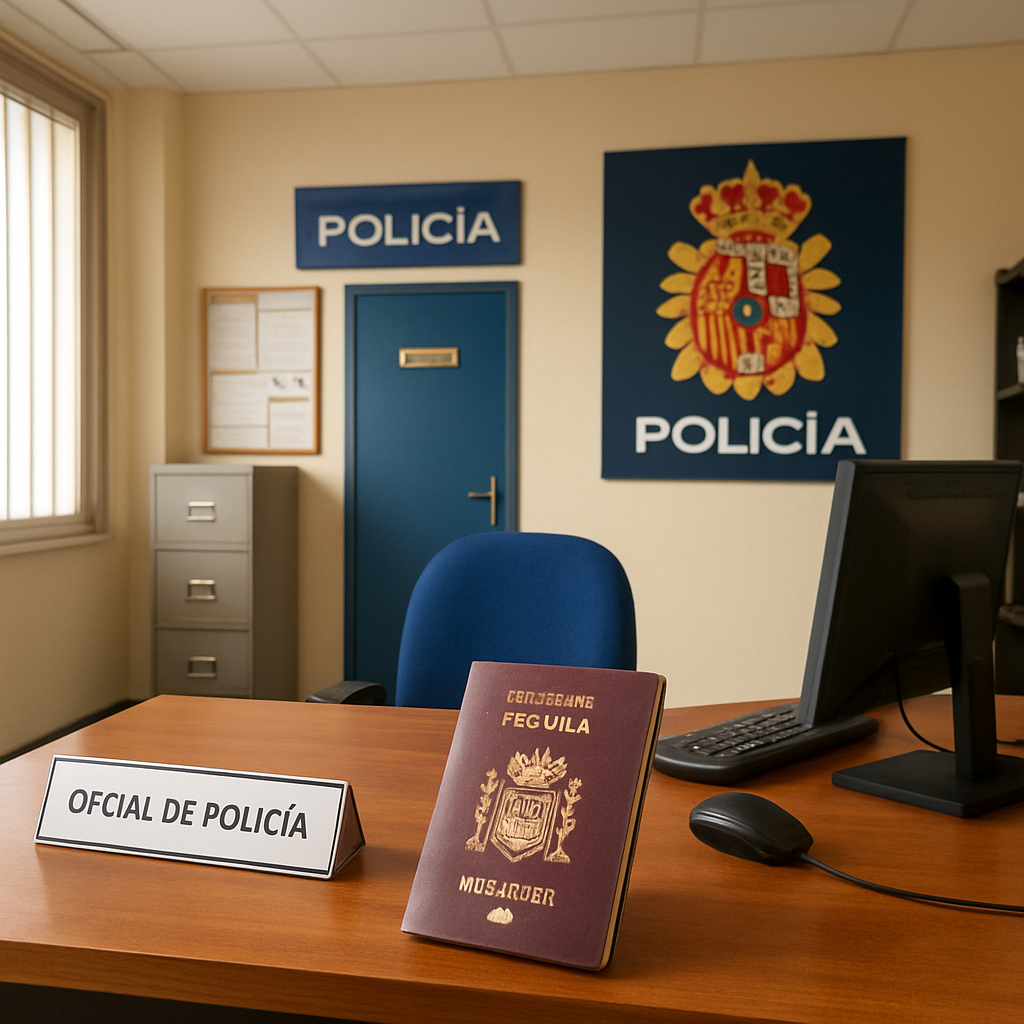 Step 2: Gather the Required Documents
Now that you’ve checked the eligibility box, it’s time to pull together the paperwork that will actually get you the NIE. Think of it like packing for a beach day – you don’t want to forget the sunscreen, your towel, or that favorite novel.
At a minimum, the Spanish authorities ask for four things:
That list matches the official document checklist most offices publish, so you’re covered.
Bring both the original and a photocopy of every item. The police station will keep the copy for their records, but you’ll need the originals later when you sign the purchase contract or set up a mortgage.
And here’s a tiny trick: laminate the copy of your passport page. It won’t hurt, and it makes the paper less likely to tear in the queue.
Keep it short, clear, and specific. Instead of “business”, write “to purchase a residential property in Benalmádena”. The clerk will smile, and you’ll avoid the dreaded “we need more details” back‑and‑forth.
If you’re applying on behalf of someone else – maybe a family member who’s still abroad – you’ll also need a power of attorney signed in Spain, plus the foreigner’s passport copy. That adds a couple of extra pages, but it’s a common scenario for retirees who enlist a trusted gestor.
The processing fee is paid with the 790‑012 form. Fill it out, print it, and bring cash (most offices still only accept euros in cash). The amount hovers around €10‑€15, so have a few extra coins handy.
One mistake newcomers make is trying to pay by card and getting turned away. A quick call to the station ahead of time can save you a line.
Run through that list one more time, and you’ll feel the confidence of someone who’s actually ready to walk into the Comisaría.
With the docs in hand, hop onto the online booking portal (administracionespublicas.gob.es) and snag the earliest slot. Slots disappear fast, especially in summer, so set a reminder to refresh the page every few minutes.
If you can’t find a slot, try a neighboring province’s office – they often have more availability. The same documents work everywhere, so a short train ride can save you weeks of waiting.
And remember, the appointment is just the handshake. The real work happens when you hand over the folder. So double‑check everything, breathe, and picture yourself sipping that cortado once your NIE is in hand.
Alright, you’ve double‑checked every document, booked that appointment, and maybe even rehearsed what you’ll say to the clerk. The next move feels like the big leap: actually handing over the folder. You can do it two ways – a quick click‑through on the government portal, or a face‑to‑face drop‑off at the police station. Both work, but each has its quirks.
If you’re comfortable navigating a few web forms, the online path can shave a day or two off the waiting time. Head to the official portal at administracionespublicas.gob.es (you’ll recognize the orange banner). After logging in with your DNI/NIE (or the temporary passport number you used for the appointment), look for the “Solicitud de NIE” service.
Here’s the step‑by‑step:
After you hit “Submit”, you’ll receive a confirmation email with a reference number. Bring that number to the police station on the day of your appointment – it’s your ticket to the fast lane.
Pro tip: the portal refreshes every 30 seconds, and slots can disappear in a flash. Set an alarm, keep your coffee nearby, and be ready to click “Confirm” the moment a slot opens.
Some people prefer the tactile feel of a folder in their hands. Walking into the Comisaría gives you the chance to ask the clerk any last‑minute question and get immediate feedback if something’s missing.
When you arrive, take these steps:
Real‑world example: Laura, a Dutch retiree, chose the in‑person route because she was already in Málaga for a property viewing. She arrived 10 minutes early, handed over her folder, and left with a receipt that promised her NIE by Friday. She was able to sign the purchase contract that same week – a smooth, stress‑free finish.
It happens. Maybe the clerk asks for a “more detailed” purpose statement, or the online portal flags your PDF as “corrupt”. Here’s how to recover:
And remember, you’re not alone – many expats use a gestor (local administrative assistant) to smooth out these bumps. The extra cost is usually €30‑€50, but it can shave days off the process.
Once you have the NIE in hand, you can finally browse listings with confidence. If you’re already dreaming about a seaside townhome, take a look at our townhouses in the Costa del Sol. Having the number ready means you can jump on a promising property the moment you see it.
And if financing is the next puzzle piece, a quick visit to Mortgage Mapper can line up the mortgage you’ll need to turn that townhome into your new home.
Bottom line: whether you click or queue, the key is preparation. Keep copies, bring cash, and know exactly what the clerk will ask for. With those steps nailed down, submitting your application becomes a straightforward checkpoint on the road to your Spanish property dream.
Okay, you’ve done the paperwork, booked your cita previa, and maybe even felt a little nervous walking into the police station. Now comes the moment that actually puts the “NIE” in your hands. How do you turn a folder of copies into a real, lifelong tax ID?
First thing’s first – the office will ask for the appointment reference you received when you booked online. Show it on your phone or print it out; the clerk will scan it and pull up your slot.
Then you’ll hand over the folder. Remember the rule of originals first, copies second. The officer stamps the copies, returns the originals, and that’s when you know you’re in the clear.
Most offices hand you the NIE certificate on the spot. In busy districts like Barcelona or Madrid, they might ask you to swing back in 5‑10 business days – they’ll give you a receipt with a pick‑up date.
Having a spare copy of everything in a separate envelope never hurts. If the clerk asks for “another copy,” you’ll be the one smiling.
If you’re handed the certificate right away, great – you can flash it to a bank or a notary later that day. If you have to return, set a reminder on your phone for the exact date on the receipt. Most people find that showing up a few minutes early helps smooth any last‑minute paperwork hiccups.
When you pick it up, the officer will hand you a small card with your NIE number printed on it. Keep that card safe; you’ll need the number for everything from opening a bank account to signing a purchase contract.
Maybe the clerk says your purpose statement is too vague, or the fee form is missing a signature. Take a breath, ask politely what’s missing, and fix it on the spot if you have the documents handy. A quick “Can I correct that right now?” often saves you a trip back.
In the rare case the office says they need to verify your address, they might ask for an additional utility bill dated within the last month. Keep a digital copy on your phone – it’s faster than hunting for a printed version.
• Arrive early. The morning rush is real, and a quiet slot means the clerk can focus on you.
• Bring exact change. Some offices don’t have change for larger bills, and you don’t want to scramble for coins.
• Speak Spanish if you can, even a few phrases. A simple “Buenos días, estoy aquí para recoger mi NIE” goes a long way.
• If you’re nervous about the language, write down the key questions you want to ask on a sticky note – it’s easier than trying to remember on the fly.
Once you’ve got that little card, you’re officially ready to start looking at properties, applying for mortgages, or even paying your first IBI tax without a hitch.
 Bottom line: collecting your NIE is just another checkpoint on the road to your Costa del Sol dream. With the right folder, the correct fee, and a bit of patience, you’ll be holding that number in your hand before you know it – and the Spanish property market will be yours to explore.
Now that you’ve got the NIE card in your pocket, it’s a good time to look at the little traps that turn a smooth process into a day‑long saga. Most newcomers hit the same snags, and the good news? You can dodge them with a few simple habits.
It sounds basic, but walking into the Comisaría without a printed or screen‑saved reference number is like showing up to a movie without a ticket – you’ll be sent right back to the queue. The office will simply tell you “no cita, no trámite,” and you’ll lose the morning you’ve set aside.
Solution? Book the slot on the official portal, screenshot the confirmation, and keep that image on your phone. Print a copy if you’re nervous about battery life.
One tiny typo – a missing line, an unchecked box, or using a blue pen – can trigger a “please correct” note that sends you back for a second visit. The clerk isn’t trying to be picky; the system only reads black ink and expects every field completed.
Before you hit print, read the form out loud. If a sentence feels fuzzy, rewrite it. Double‑check that your purpose statement is specific (e.g., “to purchase a beachfront condo in Marbella”).
Does this sound familiar? Many expats tell me they thought a vague “business” note was enough – it’s not.
The €10‑€15 processing fee isn’t just a number you hand over at the desk; you need the official 790‑012 receipt to prove you paid. Without it, the clerk will hold your folder and ask you to return with proof, adding days to the timeline.
Pay the fee at a bank the day before your appointment, grab the receipt, and stash it in a separate pocket. That way you can hand it over instantly.
Not every police station processes NIEs at the same speed. Some only handle resident requests, others are overloaded in tourist hot‑spots. Applying at a location that doesn’t match your status leads to rejection or an endless waiting list.
Check the office’s website or give them a quick call to confirm they accept non‑resident NIE applications. If slots are scarce, look a province over – the paperwork is identical, and you might snag a morning slot with no crowd.
Even if the EX‑15 is in English, the authorities expect your purpose statement and any supporting letters in Spanish. Handing them a English‑only note often results in “please provide a Spanish version” – a needless delay.
A quick Google Translate check, followed by a native‑speaker proofread (or a gestor’s quick edit), saves you an extra trip.
According to NIM Immigration Lawyers, the most frequent error is missing or incomplete documentation, which can stretch processing from days to weeks.
| Common Mistake | Why It Delays You | Quick Fix |
| Missing appointment confirmation | Office will turn you away immediately | Screenshot/print the reference and keep it handy |
| Incomplete EX‑15 form | Clerk asks for corrections, you return | Use black ink, double‑check every field, read aloud |
| Skipping fee receipt | Processing stops until proof of payment shown | Pay at bank beforehand, keep the 790‑012 receipt separate |
Bottom line: treat the NIE application like a short checklist rather than a mystery quest. Verify your appointment, perfect the form, bring the fee receipt, pick the right office, and have a Spanish version of any extra note. Follow these steps and you’ll keep the process under a day instead of a week.
The NIE (Número de Identificación de Extranjero) is Spain’s tax identification number for non‑residents. Think of it as your passport to any legal transaction – from signing a purchase contract to opening a bank account or paying the annual IBI tax. Without it, notaries will refuse to stamp a deed and banks will block mortgage approvals, so you’ll be stuck watching properties go by.
In most coastal offices, if your paperwork is flawless, you’ll walk out with the certificate the same day or be asked to return in 2‑5 business days. Busy summer months can stretch it to a week, but it rarely exceeds ten days. The key is double‑checking every field, bringing the fee receipt, and having a Spanish version of any extra note ready.
You have two routes. The consular route lets you submit the EX‑15 form at the Spanish embassy or consulate in your home country, but processing can take a few weeks and you’ll still need to pick up the card in Spain later. The faster way is to book a cita previa at a local police station after you’ve arrived – you’ll often get the number within the same afternoon.
Mandatory items are: a completed EX‑15 form in black ink, a clear photocopy of your passport, a recent proof of Spanish address (utility bill, rental contract, or certificado de empadronamiento), a one‑sentence purpose statement in Spanish, the 790‑012 fee form and the cash payment (around €10‑€12). Optional but helpful documents include a power of attorney if you’re using a gestor, and any supporting letters that clarify your intent.
Yes, if you intend to sign any contract, receive rental income, or open a local bank account, the law requires a NIE regardless of stay length. Even short‑term rentals generate tax obligations, and banks won’t let you transfer funds without the number. Getting it early saves you from frantic last‑minute runs when a property deal pops up.
Almost never. The authorities expect the purpose statement in Spanish; an English note usually triggers a “please provide a Spanish version” request and adds at least a day to the process. A quick Google Translate followed by a native‑speaker tweak is enough – for example, “para comprar un apartamento en Marbella” covers most buying scenarios.
Stay calm and ask the clerk which field needs fixing. Most errors are simple: a missed checkbox, a stray line, or using blue ink. Keep a spare copy of the form in your bag, correct the mistake on the spot, and hand it back. If they need a new printed version, a nearby copy shop can do it in minutes, and you’ll be back on track.
So you’ve walked through every step of getting your NIE number in Spain – from checking eligibility to finally holding that little card in your hand.
If anything, the process feels less like a bureaucratic nightmare and more like a short adventure you can actually plan. Remember Maria’s story: a quick eligibility check saved her days, and Laura’s on‑the‑spot pick‑up let her seal a purchase that same week.
What’s the biggest takeaway? Double‑check every form, bring cash for the €10‑€12 fee, and have a crystal‑clear purpose statement in Spanish. A tiny mistake – a blue pen, a missing appointment reference – can add an unnecessary trip.
Now that your NIE is sorted, you can finally focus on the fun part: exploring villas, townhouses, or a beachfront condo on the Costa del Sol. With the number in place, opening a bank account, signing a mortgage, or paying your first IBI tax becomes a breeze.
Ready to turn that paperwork win into a new home? Our team at Sunny Coast Homes Realty is here to guide you through the property hunt, paperwork and beyond. Let’s make your Spanish dream a reality.
Pro tip: stash a photocopy of your NIE in a secure digital folder and keep the physical card in a safe place – you’ll thank yourself when you need it for a future property transaction or tax filing.