Imagine stepping out of a sun‑kissed café in Estepona, the sea breeze nudging the scent of orange trees, and suddenly realizing you could call this place home.
Sounds like a daydream, right? Yet every year dozens of savvy buyers turn that daydream into reality by finding the perfect estepona property for sale.
But the market can feel like a maze—different neighborhoods, price ranges, and legal quirks that make you wonder if you’re missing something crucial.
Here’s what I mean: a beachfront apartment in the historic Old Town can cost less than a hillside villa with a private pool, simply because the view and the vibe shift dramatically.
We’ve helped families from Belgium and the UK navigate those twists, translating paperwork, negotiating with locals, and making sure every step feels as smooth as a summer stroll along the marina.
So, what’s the first thing you should do before you even start browsing listings?
Start by getting crystal‑clear on what “home” means to you—do you crave a vibrant nightlife, quiet gardens, or a short walk to the beach?
Write down three non‑negotiables, then match them against neighborhoods like La Cala, Puerto Banús, or the charming streets of Estepona’s Old Town.
When you have that list, a trusted local partner can filter the estepona property for sale inventory, saving you hours of scrolling and the heartache of dead‑end viewings.
And remember, buying abroad isn’t just a transaction—it’s an adventure. You’ll be swapping stories over tapas, learning a few Spanish phrases, and eventually watching the sunrise from your balcony.
If that still feels a bit overwhelming, don’t worry—we’ll walk you through each step, from financing options to final handover, so you can focus on imagining your first coffee on the terrace.
Ready to turn that daydream into a concrete address? Let’s dive in and explore how the right guide can make your estepona property for sale journey feel like a breezy walk rather than a stressful sprint.
Looking for an estepona property for sale? Start by defining your must‑have lifestyle features, then let Sunny Coast Homes match you with the perfect neighborhood.
We’ll guide you through financing, legal steps, and viewings, so you can picture sunrise coffee on your balcony and move forward confidently in just minutes.
Let’s be honest: the first thing most buyers notice about an estepona property for sale is the mix of sun‑kissed coastline and winding, orange‑tree‑lined streets. It feels a bit like stepping into a postcard, but behind that picture‑perfect vibe lies a market with its own rhythm and quirks.
So, what does the market actually look like? Think of it as a patchwork quilt – each neighbourhood brings its own pattern of price, lifestyle, and resale potential. And the good news? With a little know‑how you can spot which patch fits your life best.
Old Town is the historic heart, where pastel façades sit just steps from the marina. A one‑bedroom apartment here can feel like a boutique hotel, complete with cobblestone alleys and tapas bars at every corner. If you love buzzing mornings and a sense of heritage, this is the vibe you’ll probably crave.
La Cala, on the other hand, is a newer, family‑friendly enclave. Wide promenades, golf courses, and a more relaxed beachfront vibe make it popular with expats who want space for kids to play. Prices here tend to be a shade lower than the Old Town premium, especially for newer builds.
Then there’s the hillside of Sierra Blanca, where villas perch like perched eagles overlooking the sea. These properties often come with private pools, larger plots, and a quieter atmosphere – perfect if you’re after privacy and a view that steals your breath every sunrise.
Which of these feels like home to you?
First up, sea‑view premium. A modest two‑bedroom flat without a view might sit at €350 000, but add a balcony that faces the Mediterranean and you could be looking at €500 000 or more. The view is a real money‑maker, and buyers know it.
Second, property type matters. Apartments in the centre usually cost less per square metre than detached villas on the hills, simply because land is scarcer near the beach. Yet a well‑maintained villa can command a higher resale price if it’s in a gated community with amenities.
Third, age and renovation status play a role. A 1970s building that needs a fresh coat of paint and a new kitchen will be cheaper than a brand‑new development, but you’ll also need to budget for upgrades. Many buyers prefer a “turn‑key” option to avoid surprise costs.
Got a budget in mind? Keep these three levers in check and you’ll avoid the classic “price shock” after a viewing.
Summer is peak season for viewings – the market floods with listings, and competition spikes. If you’re comfortable with a faster pace, you might snag a property before prices climb higher.
Conversely, the off‑season (late autumn to early spring) often brings hidden gems. Sellers who list during quieter months are usually more motivated, and you might negotiate better terms or even a price drop.
When you schedule viewings, consider arranging reliable transport so you can hop between neighbourhoods without stress. Local taxi services in the Costa del Sol can be a handy backup, especially if you’re testing multiple sites in one day.
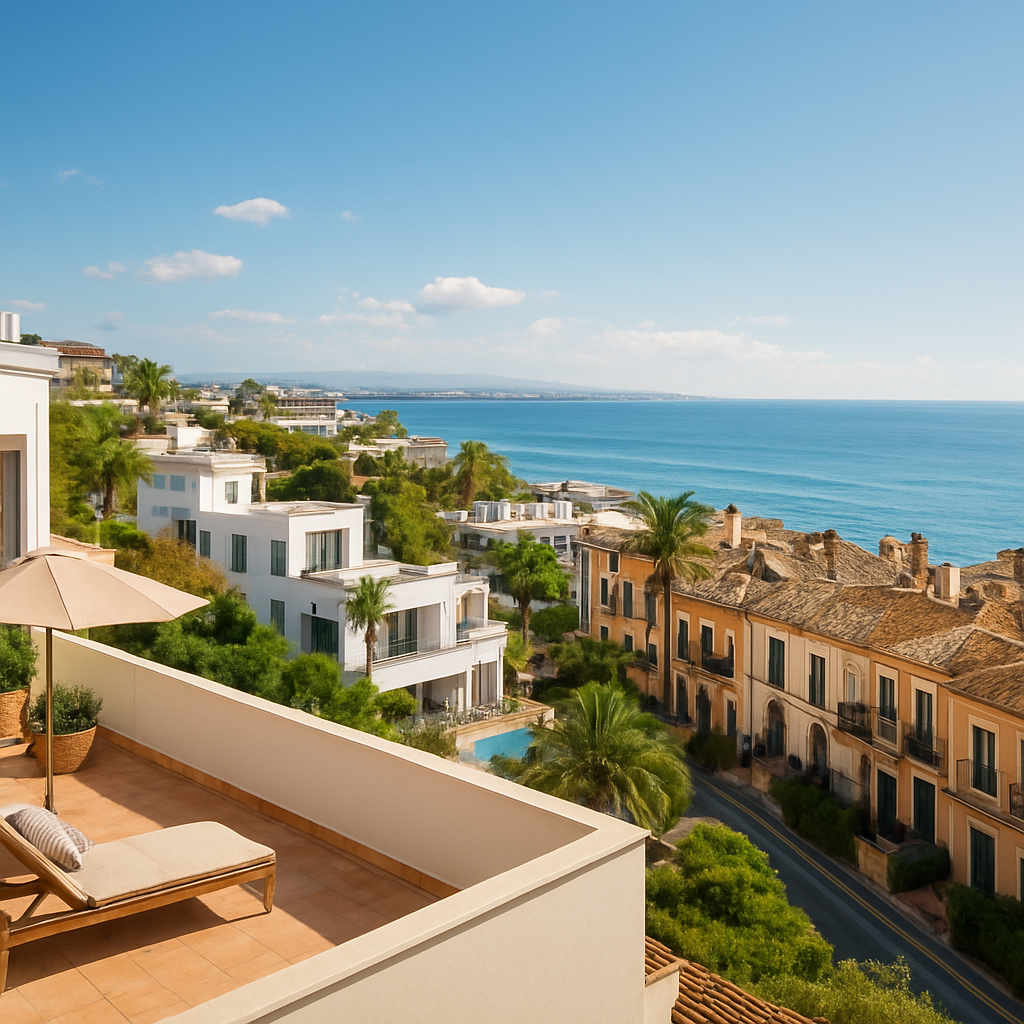
Actionable tip: create a simple spreadsheet with three columns – neighbourhood, price range, and must‑have features. As you tour properties, fill it in and watch patterns emerge. When you see a repeat of “good view + family‑friendly + under €600 k”, that’s your sweet spot. And of course, let Sunny Coast Homes guide you through the numbers, the paperwork, and the final handshake.
When you start picturing your estepona property for sale, the first question that pops up is usually “where should I live?” – and that’s totally normal. The good news? Estepona offers a handful of distinct pockets, each with its own vibe, price range, and lifestyle perks.
Below, I’ll walk you through the neighborhoods that most buyers end up falling in love with, sprinkle in a few real‑world stories, and give you a quick checklist to help you decide which one matches your checklist.
This is the heart‑beat of Estepona – narrow white‑washed streets, orange trees, and a bustling plaza that feels like a perpetual fiesta. Properties here are mainly refurbished apartments or charming townhouses with traditional Andalusian details.
Typical price: €180k‑€350k for a two‑bedroom flat with a balcony that looks over the Plaza de las Flores. You’ll often find original wooden beams and tiled floors, which means you might need a bit of renovation budget – but the character is priceless.
Real‑world example: Maria from the Netherlands bought a 1970s duplex for €215k, spent €15k on a new kitchen, and now enjoys morning coffee while watching the market stall vendors set up.
If you can picture yourself stepping off a yacht or taking a sunset stroll along the promenade, this is the spot. New‑build apartments dominate here, with sea‑view balconies, communal pools, and on‑site gyms.
Typical price: €300k‑€550k for a modern two‑bedroom unit. Because demand is high, listings move fast – so having a pre‑approved mortgage helps.
Pro tip: Check the Property Results – Sunny Coast Homes page for the latest waterfront listings. Many developers also offer early‑bird discounts if you sign before the construction phase.
Just a short drive east of the town centre, La Cala feels like a laid‑back beach village but with all the amenities you need – golf courses, supermarkets, and a relaxed nightlife.
Typical property: Townhouses or low‑rise apartments ranging from €220k to €400k. Families love the extra garden space, while retirees appreciate the quiet streets.
Case in point: A British couple purchased a three‑bedroom townhouse for €375k, used the ground‑floor garden for their weekly barbecues, and now spend their evenings fishing off the nearby pier.
Up in the hills, you get panoramic sea views and a cooler micro‑climate. This area is perfect for buyers who want privacy, a bit of land, and maybe a pool.
Price range: €500k‑€1.2m for a villa with two to four bedrooms. Many properties sit on plots of 500‑1,000 m², giving you room for a garden, terrace, or home office.
One buyer from Germany shared that their €800k hillside villa turned out to be a solid “inflation hedge” – the property value has already climbed 8 % in just 18 months.
For the avid golfer or anyone craving resort‑style living, the Golf Zone offers gated communities with easy access to the 18‑hole course, plus plenty of new‑build villas and apartments.
Typical price: €350k‑€700k for a three‑bedroom villa with communal amenities.
Example: A Danish family bought a semi‑detached villa for €620k, now enjoys morning rounds and weekend pool parties with neighbours.
And don’t forget the practical side of homeownership. Even in sunny Estepona, you’ll want a cosy fireplace for those cooler winter evenings – check out this guide on choosing and installing a fireplace for ideas that fit Spanish homes.
Living by the sea also means occasional storms. A quick read on how to board up windows after a storm can save you headaches and protect your investment.
| Neighborhood | Typical Property | Price Range (€) | Key Appeal |
|---|---|---|---|
| Old Town | Renovated apartments / townhouses | 180k‑350k | Historic charm, central location |
| Marina | New‑build sea‑view apartments | 300k‑550k | Modern amenities, waterfront lifestyle |
| La Cala | Townhouses, low‑rise flats | 220k‑400k | Beach‑village vibe, family‑friendly |
| Sierra Verde | Villas with land | 500k‑1.2m | Panoramic views, privacy |
| Golf Zone | Gated villas/apartments | 350k‑700k | Resort amenities, golf access |
Okay, you’ve spotted that perfect estepona property for sale and the excitement is kicking in. Before you start dreaming about sunrise coffees on the terrace, let’s pull back the curtain on the legal and financial side – the stuff that can either smooth the road or throw a few potholes in your way.
The first ticket you need is a Spanish tax identification number, the NIE. Think of it as your passport to any transaction in Spain – from opening a bank account to signing the deed. You’ll need it early, because banks won’t even consider a mortgage without it, and lawyers can’t draft the contracts.
Pro tip: apply for the NIE through the nearest Spanish consulate before you set foot in Spain. It usually takes a week or two, and you’ll avoid the long queues at the local police station.
Most buyers focus on the headline price, but the real cost includes taxes, fees, and a safety cushion. For a resale villa, you’ll pay the Property Transfer Tax (ITP), which varies by region but sits around 8‑10 % of the purchase price. New builds attract VAT (IVA) at 10 % plus a modest stamp duty.
Then there are notary and land‑registry fees – roughly 1‑2 % combined – plus a lawyer’s retainer (usually 1 % of the price). Add another 5‑10 % for unexpected repairs or a renovation buffer, especially if you’re eyeing an older town‑house.
Bottom line: plan for an extra 10‑13 % on top of the listing price.
If you need a mortgage, Spanish banks are fairly welcoming to non‑residents, typically offering 60‑70 % LTV. Fixed‑rate loans are popular because they lock in today’s low interest rates, but variable‑rate options can be cheaper if you’re comfortable with some fluctuation.
Here’s a quick checklist for the mortgage process:
Many buyers also use a combination of home‑equity from a property back home and a Spanish loan to keep the LTV lower and reduce monthly payments.
Hiring a qualified Spanish lawyer is not optional – it’s a must. Your lawyer will pull the Nota Simple from the Land Registry, confirming who really owns the property and whether any debts or liens sit on it.
They’ll also verify that the property complies with zoning rules, that any communal areas have up‑to‑date insurance, and that the energy‑efficiency certificate is in place (mandatory for new builds).
Once the due diligence checks out, you’ll sign a reservation agreement and hand over a small deposit (usually 1‑3 %). This takes the property off the market while the lawyer does the deep dive.
After the lawyer signs off, you’ll receive a private purchase contract. It outlines the price, payment schedule, and any contingencies (like a satisfactory survey). You’ll pay a 10 % deposit at this stage.
The final act happens at the notary’s office. The notary is a public official who ensures the deed (escritura) is legally sound. Both buyer and seller sign, the remaining balance is transferred, and the notary registers the deed with the Land Registry. The whole process typically spans 6‑10 weeks if paperwork is in order.
Ownership brings recurring expenses. The annual property tax (IBI) is based on the cadastral value and usually runs between €300‑€800 for a mid‑range villa. If your property is in a gated community, expect community fees – they cover shared pool maintenance, garden care, and security.
Don’t forget home insurance (often under €200 a year) and utility deposits. And if you plan to rent out the place, you’ll need a tourist licence and must declare the rental income – non‑resident tax rates are 19 % for EU citizens and 24 % for others.
It might feel like a lot, but each step is a piece of the puzzle that turns a foreign property hunt into a secure investment. With the right professionals by your side, the paperwork becomes just another part of the adventure – and before you know it, you’ll be unlocking the front door of your new Estepona home.
Imagine scrolling through listings and that perfect estepona property for sale pops up. Your heart skips a beat, but then the practical side whispers, “What next?”. Don’t worry – we’ve broken it down into bite‑size steps that feel more like a coffee chat than a legal marathon.
Start by writing down three non‑negotiables: sea view, garden space, or proximity to the marina. Then add a fourth “nice‑to‑have” like a communal pool. This list becomes your compass when the market throws you a dozen options.
Does this sound familiar? You’ve probably felt overwhelmed by endless photos and vague descriptions. By anchoring yourself to concrete criteria, you’ll instantly filter out the noise.
The Spanish tax ID (NIE) is your backstage pass for everything from opening a bank account to signing the deed. Apply at your nearest Spanish consulate or, if you’re already in Spain, at a police station. It usually takes a week or two, so get it done before you start serious negotiations.
According to JJ Marbella explains that over 13% of property purchases in 2024 were made by foreign buyers, the NIE is the first hurdle they all clear.
Even if you plan to pay cash, a Spanish bank account makes life easier – think deposit transfers, utility bills, and future mortgage options. Most banks will lend up to 70% of the purchase price to non‑residents, but shop around for fixed‑rate deals if you prefer predictability.
Tip: keep a buffer of at least 10% of the asking price for taxes, notary fees, and a little renovation reserve.

Think of your lawyer as a detective. They’ll pull the Nota Simple, confirm there are no hidden debts, and verify zoning compliance. Without this safety net, you could inherit a surprise lien or a property that can’t be rented out.
Ask them to flag any community fees, upcoming construction, or missing energy‑efficiency certificates – those little details can become big headaches later.
A trusted agent knows which listings are truly on the market versus “under contract”. They’ll schedule viewings, translate the jargon, and even negotiate on your behalf. If a property feels right, they’ll arrange a quick reservation so you don’t lose it.
Ever walked into a place that felt perfect, only to discover the seller had already accepted another offer? A good agent prevents that kind of disappointment.
When you’ve found “the one”, submit a written offer. If the seller accepts, you’ll sign a reservation agreement and hand over a modest deposit (usually €3,000–€6,000). This locks the property while your lawyer does the deep dive.
It feels a bit like putting a ring on it, but without the pressure of the final purchase.
This is the legally binding promise that outlines price, payment schedule, and any conditions – for example, a satisfactory survey. Most buyers put down 10% here. If the seller backs out, they return double; if you walk away, you lose the deposit. It’s a fair way to keep both sides honest.
Both parties meet the notary, who reads the public deed aloud, ensures everything matches the contract, and registers the sale with the Land Registry. Once the remaining balance is paid, the property officially becomes yours.
Typically this whole process, from reservation to registration, takes six to ten weeks if paperwork is ready.
Now that the keys are in your hand, set up utilities, register for the annual property tax (IBI), and, if you plan to rent, apply for a tourist licence. Don’t forget to schedule a quick inspection of the plumbing and HVAC – catching a leak early saves money later.
And there you have it: a straightforward roadmap that turns “just looking” into “home sweet home”. If any step feels fuzzy, remember you’ve got a lawyer, an agent, and a bank on your side. Together, you’ll navigate the paperwork without losing the excitement of watching the sunrise over the Mediterranean.
Picture this: you’ve just spotted an estepona property for sale that ticks all your boxes, and the excitement is buzzing. The next question that pops into your head is, “how am I actually going to pay for it?” Let’s demystify the financing maze so you can move from daydream to deed without a panic attack.
Spanish banks are surprisingly friendly to foreign buyers. Most non‑residents can qualify for a loan that covers 60‑70 % of the purchase price, and a handful of lenders even stretch to 80 % if you have a solid income record in your home country.
Fixed‑rate mortgages dominate the market right now because they lock in the ultra‑low interest rates we’ve seen since 2022. If you prefer a bit of wiggle room, variable‑rate products can shave a few percentage points, but they’ll rise and fall with the Euribor.
One thing to keep in mind: the application process is paperwork‑heavy. You’ll need recent payslips, tax returns, and a Spanish bank account to funnel the monthly payment.
1. Traditional bank mortgage – the go‑to option. Gather your income proof, get a pre‑approval letter, and you’ll have a stronger negotiating position. The bank will ask for a NIE, so get that early.
2. Home‑equity loan from your home country – if you own a property elsewhere, you can tap its equity to cover part of the Spanish purchase. This can lower the Spanish LTV and keep your monthly outflow manageable.
3. Seller financing – not super common, but some developers or private sellers will let you pay a chunk up‑front and the rest in installments, often with a modest interest rate. It’s a handy backup if banks tighten their criteria.
4. Cross‑border mortgage brokers – specialists who partner with Spanish banks and can streamline the translation of documents. They often have access to “expat‑friendly” products that mainstream banks don’t advertise.
Beyond the headline price, budget an extra 10‑13 % for taxes, notary fees, registration, and a small reserve for unexpected repairs. The Property Transfer Tax (ITP) on resale homes sits around 8‑10 % in Málaga, while new builds attract a 10 % VAT plus stamp duty.
Watch the loan‑to‑value (LTV) clause. Some banks will penalise you if the property appraisal comes in lower than expected, forcing you to cover the shortfall out of pocket.
Early‑repayment penalties are another sneaky surprise. Ask the lender how much you’d owe if you wanted to refinance after two years – a hefty fee can turn a good deal sour.
And don’t forget insurance. Spanish law requires a basic property insurance policy before the notary signs, and many lenders bundle it into the monthly payment.
For a concrete example, semi‑detached houses in Estepona typically range from €250,000 to €500,000, making them a sweet spot for buyers who want space without the price tag of a full villa according to the local listings. Those numbers translate into a mortgage of roughly €175,000‑€350,000 if you finance 70 %.
Bottom line: the right financing plan is less about finding the cheapest interest rate and more about aligning the loan structure with your lifestyle. If you plan to rent the property out for holiday income, a variable rate might make sense because you can adjust the rent each season. If you’re settling in for the long haul, lock in a fixed rate and enjoy peace of mind.
So, what’s the next step? Grab a coffee, pull out your spreadsheet, and start plugging in your numbers. Once you see a realistic monthly payment, the dream of sipping that sunrise espresso on your new balcony feels a lot less fuzzy.
Imagine you’ve just closed on that estepona property for sale and the keys are warm in your hand. The excitement is real, but then the question pops up: how much will keeping the place running actually cost, and can you turn it into a reliable cash‑flow machine?
First up, the municipal property tax – the IBI – is calculated on the cadastral value, not the market price. That rate usually sits between 0.4 % and 1.1 % of the cadastral figure, so a €300,000 home might be looking at €1,200‑€3,300 a year.According to the cost‑of‑ownership guide, you’ll also face a non‑resident income tax even if you never rent it out – 1.1 % of the cadastral value is deemed “imputed” income, taxed at 19 % for EU citizens.
Community fees are the next line item. If your home sits in a gated complex or a development with shared pools, gardens or elevators, you’ll pay a monthly slice based on the size of your unit. It’s usually a few euros per square metre, so a 120 m² townhouse might be around €80‑€150 a month. Those fees often cover refuse collection, too, so you won’t get a surprise bill later.
Don’t forget insurance. Building cover in Spain is surprisingly affordable, often under €200 a year, but you’ll want contents insurance if you’re furnishing the place for short‑term guests. Adding a burglar alarm or reinforced shutters can shave a few euros off the premium.
Here’s the good news: Estepona’s short‑term rental market has been booming. In 2024, average yields for holiday lets hovered around 6‑8 % of the purchase price, with the busiest months from June to September. A two‑bedroom apartment listed at €350,000 can pull in €2,300‑€2,800 a month during peak season, then dip to €800‑€1,200 in the off‑season.
Long‑term rentals are steadier but usually lower – think 4‑5 % gross yield. If you’re eyeing a family‑friendly townhouse in La Cala, you might rent it out for €1,200‑€1,500 a month year‑round, which still covers most of your mortgage and community fees.
So, which strategy fits you? If you love the hustle of cleaning, swapping linens and tweaking rates on the fly, short‑term lets can pay for a higher mortgage. If you prefer a set‑and‑forget approach, a long‑term tenant gives you predictable cash flow and less paperwork.
1. Seasonal pricing. Use a local agent or a reputable platform to adjust rates weekly – a €20 rise during a local festival can add up fast.
2. Professional photos. A bright, sun‑splashed shot of the balcony with a coffee cup will make your listing stand out on Airbnb or Booking.com.
3. Utility management. Install smart meters so you only bill tenants for what they actually use. It keeps them happy and avoids surprise bills.
4. Legal licence. If you go short‑term, you’ll need a tourist licence from the town hall. It’s a small annual fee, but without it you risk fines and a forced shutdown.
5. Maintenance calendar. Schedule a quarterly check‑up of the pool, air‑conditioning and roof. Spotting a leak early saves you from a €5,000 repair bill later.
Think of maintenance as an investment in your rental reputation. Guests leave five‑star reviews when everything works, and that drives higher occupancy. A simple €150 yearly service for the water heater can prevent a sudden breakdown during the high season, which would otherwise force you to cancel bookings and lose revenue.
And don’t overlook the tax side. Rental income is taxed at 19 % for EU residents, but you can deduct legitimate expenses – community fees, insurance, repairs, even a portion of your mortgage interest. Keeping tidy records means you’ll pay less at the end of the year.
Bottom line: owning a home in Estepona isn’t just a lifestyle upgrade; it can be a solid investment if you plan for the recurring costs and tap into the strong tourism demand. A little foresight on taxes, community fees and smart pricing can turn that dreamy balcony view into a dependable income stream.
First, check the location – is it near the beach, a golf course, or the old town? Then glance at the building’s condition: look for fresh paint, functional windows, and a well‑maintained roof. Don’t forget the paperwork – make sure the property has a clear title and a recent Nota Simple. Finally, compare the asking price with similar listings to see if you’re getting a fair deal.
Yes, if you plan to offer short‑term holiday rentals you’ll have to apply for a tourist licence at the town hall. The process usually involves proving the property meets safety standards, paying a modest annual fee, and registering the unit with the local tourism office. Without the licence you risk fines or even a forced shutdown, so it’s best to sort it out before you start advertising online.
Beyond the purchase price, set aside roughly 10‑13 % of the listing amount. This covers the Property Transfer Tax (around 8‑10 %), notary and land‑registry fees (1‑2 %), plus a lawyer’s retainer (about 1 %). If you’re buying a new build, add the 10 % VAT and a small stamp duty. Having a cash buffer saves you from nasty surprises at closing.
Spanish banks do lend to non‑residents, typically up to 70 % of the property value. You’ll need a valid NIE, proof of income (payslips, tax returns), a Spanish bank account, and a pre‑approval letter. Some lenders also ask for a credit report from your home country. Shop around – fixed‑rate loans lock in today’s low rates, while variable‑rate options can be cheaper if you’re comfortable with fluctuations.
Schedule a quarterly inspection of the roof, pool, and HVAC systems, and keep a €150‑€200 reserve each year for minor fixes. A professional service can spot leaks before they become €5,000 headaches. Also, make sure the building’s communal insurance is up to date; it often covers structural issues that you’d otherwise pay for out of pocket.
Short‑term lets can net 6‑8 % gross yields but require more hands‑on management – cleaning, guest communication, and dynamic pricing. Long‑term rentals are steadier, usually 4‑5 % gross, and demand less day‑to‑day effort. Think about your lifestyle: if you enjoy hospitality and have time to handle bookings, the higher seasonal income might be worth it. Otherwise, a reliable tenant can give you peace of mind.
Skipping the due diligence is the biggest one – not verifying the title, community debts, or zoning restrictions can bite you later. Another trap is under‑estimating ongoing costs like IBI, community fees, and insurance. Finally, many buyers forget to factor in the time it takes to get a NIE and open a bank account, which can delay the whole process. A solid checklist keeps you from falling into these holes.
So you’ve walked through the neighborhoods, crunched the numbers, and imagined sipping coffee on a sun‑lit balcony. If the idea of an estepona property for sale still feels a little fuzzy, that’s normal – buying abroad is a mix of excitement and “what‑ifs”.
Remember the three things that kept popping up: clear title checks, budgeting for the extra 10‑13 % fees, and matching the rental strategy to your lifestyle. Nail those basics and you’ll sidestep the most common pitfalls first‑time buyers talk about.
What’s the next step? Grab a notebook, list your non‑negotiables, and schedule that first viewing with a local agent who speaks your language. A quick call to your bank for a pre‑approval can turn a “maybe” into a confident offer.
And don’t forget the little wins: a well‑maintained pool, a tidy community fee statement, or a tourist licence ready to go. Those details keep your investment humming and your guests smiling.
Ready to turn the dream into a deed? Let’s keep the conversation going – reach out to Sunny Coast Homes, and we’ll help you turn that “estepona property for sale” line into a front‑door moment.
Take the first step today: set a budget, get your NIE, and schedule that viewing. The coast is waiting.