Buying a home on the Costa del Sol is exciting, but one issue can quickly turn a dream property into a costly problem. Damp is more common than many foreign buyers realise, and even homes that look perfect on the surface can hide moisture in walls, floors, or ceilings.
Understanding damp is not just about spotting mould. It is about knowing how to identify hidden moisture, recognising how the local climate affects properties, and taking action before minor issues escalate into expensive repairs. In this guide, I will walk you through the main causes of damp, how to spot it, and the steps you can take to protect your investment.
If you want a safe and worry-free property purchase, this guide is essential reading.
Costa del Sol’s sunny reputation can be misleading for homebuyers. The climate, combined with construction methods in older homes, makes some properties prone to damp. Poor ventilation in bathrooms and kitchens can trap moisture, which settles into walls and ceilings if airflow is inadequate. Roofs, gutters, and plumbing that are not maintained can leak, causing damp patches and structural damage over time. Rising damp occurs when moisture from the ground travels up through foundations, affecting walls and floors, a problem particularly common in older properties. Condensation also contributes, with cold walls or poorly insulated rooms trapping humidity and creating conditions for mould and musty odours.
Unchecked damp can lead to peeling paint, warped floors, structural problems, and even health concerns. Spotting these issues early is key to protecting your investment.
Being alert during property viewings can prevent serious headaches later. Wall and ceiling stains, yellowing, discolouration, or patchy paint may indicate moisture. Crumbling plaster or bubbling paint shows that water has been behind the surface for some time. Even if a room looks clean, a musty odour often points to hidden moisture. Cold patches on walls can indicate condensation forming on poorly insulated surfaces, which may lead to mould growth.
A professional survey is essential, but your own observations matter too. Always ask detailed questions about any area that seems unusual or smells damp.
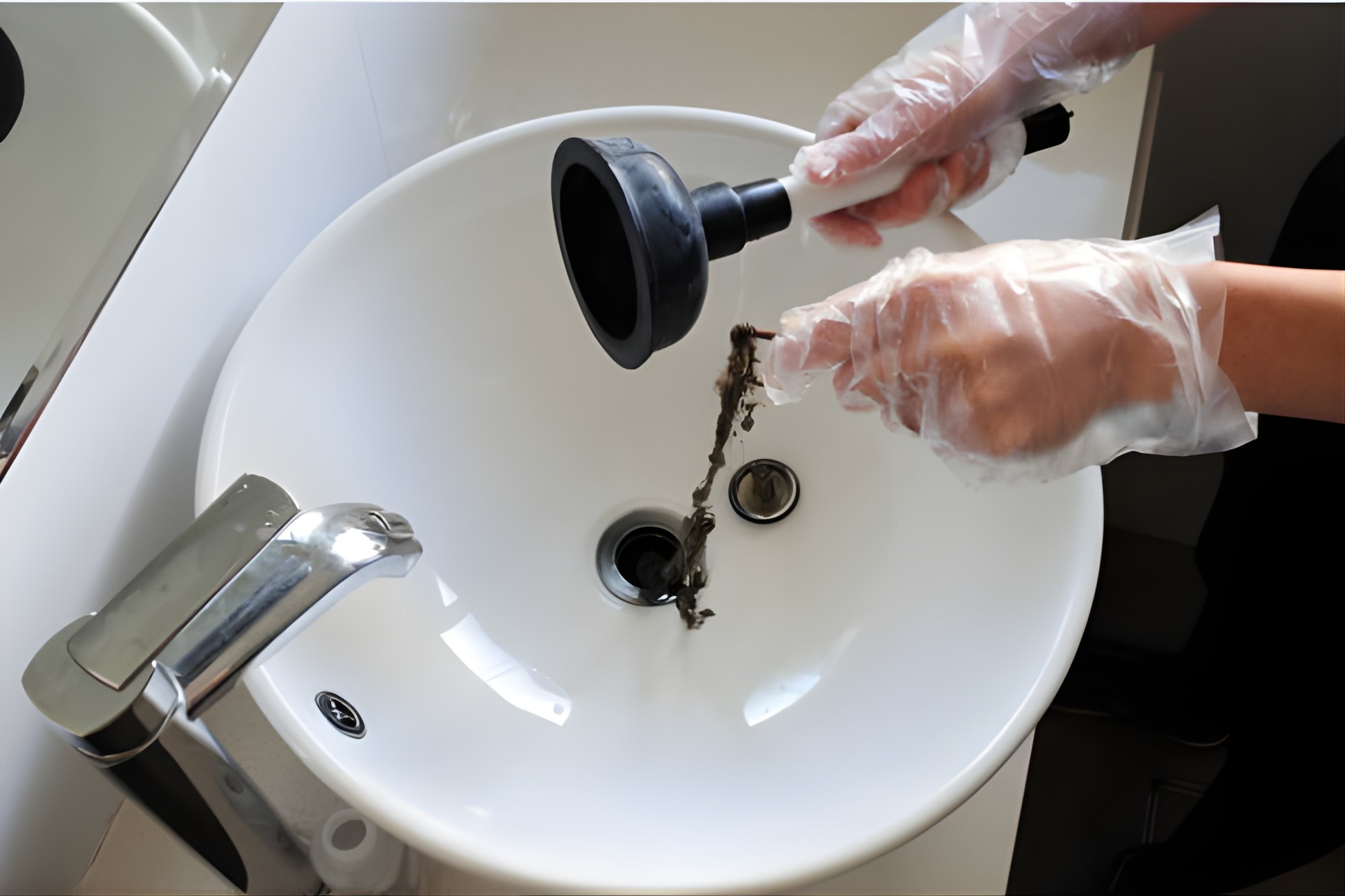
Once damp is identified, practical steps can reduce long-term risks. Improving ventilation in bathrooms and kitchens by installing extractor fans removes excess humidity and prevents moisture accumulation. Waterproofing older villas and townhouses with wall treatments or damp-proofing products protects against rising damp. Regular inspection and maintenance of roofs and gutters prevent water from entering the property and causing damage. Severe cases of rising damp or mould infestations require professional remediation to treat the problem safely and effectively.
Preventive maintenance is always cheaper than emergency repairs. I recommend foreign buyers allocate a small budget for ongoing upkeep to protect their property.
Choosing the right local estate agency makes a huge difference when buying on the Costa del Sol. Sunny Coast Homes provides local expertise and market knowledge, understanding which areas are most prone to damp, which construction types are reliable, and how local market trends impact property values. This insight helps buyers make informed decisions.
Sunny Coast Homes has a proven track record, guiding hundreds of foreign buyers to successful property purchases. From inspections to negotiations, our experience ensures a smooth and secure process.
We provide personalised support throughout the property journey, including viewings, legal guidance, and coordinating surveys or remediation work. Even complex issues like damp treatment or renovations are managed professionally.
Our innovative tools and technology, including detailed property listings, virtual tours, and accurate valuations, allow buyers to research and inspect homes thoroughly before visiting. This reduces surprises and gives confidence.
Transparency is a cornerstone of our service. We are upfront about potential property issues, including structural concerns and legal obligations. Clear advice builds trust and protects your investment.
Can I get a mortgage if a property has damp?
In most cases, yes. Lenders will require a survey to assess damp and may ask for a remediation plan. Minor damp issues often do not prevent financing, but significant damp may require repairs before approval.
How expensive is it to fix damp?
Costs vary depending on the severity. Minor issues like improving ventilation or treating small mould patches may cost a few hundred euros. Rising damp or structural repairs can reach several thousand. A professional assessment before purchase is crucial.
Are new builds safer from damp?
Generally yes. Modern properties use better insulation and damp-proofing, which reduces risk. Proper maintenance is still essential to avoid condensation or minor leaks.
Can damp be prevented entirely?
Full prevention is difficult because humidity and weather cannot be controlled. Regular inspections, ventilation, waterproofing, and upkeep of roofs and gutters significantly reduce risk.
Should I hire a surveyor before buying?
Absolutely. A survey can detect hidden damp and other structural issues that may not be visible during viewings. It is a crucial step for any foreign buyer to avoid unexpected costs.
Damp is a common concern in Costa del Sol homes, but it does not have to ruin your investment. Spotting issues early, taking preventive measures, and working with a knowledgeable local estate agency protects both your property and peace of mind.
Sunny Coast Homes provides the guidance and support foreign buyers need. From inspections to property listings, we help you find a safe, worry-free home on the Costa del Sol.
Contact Sunny Coast Homes today to view your Costa del Sol property and book a free inspection